
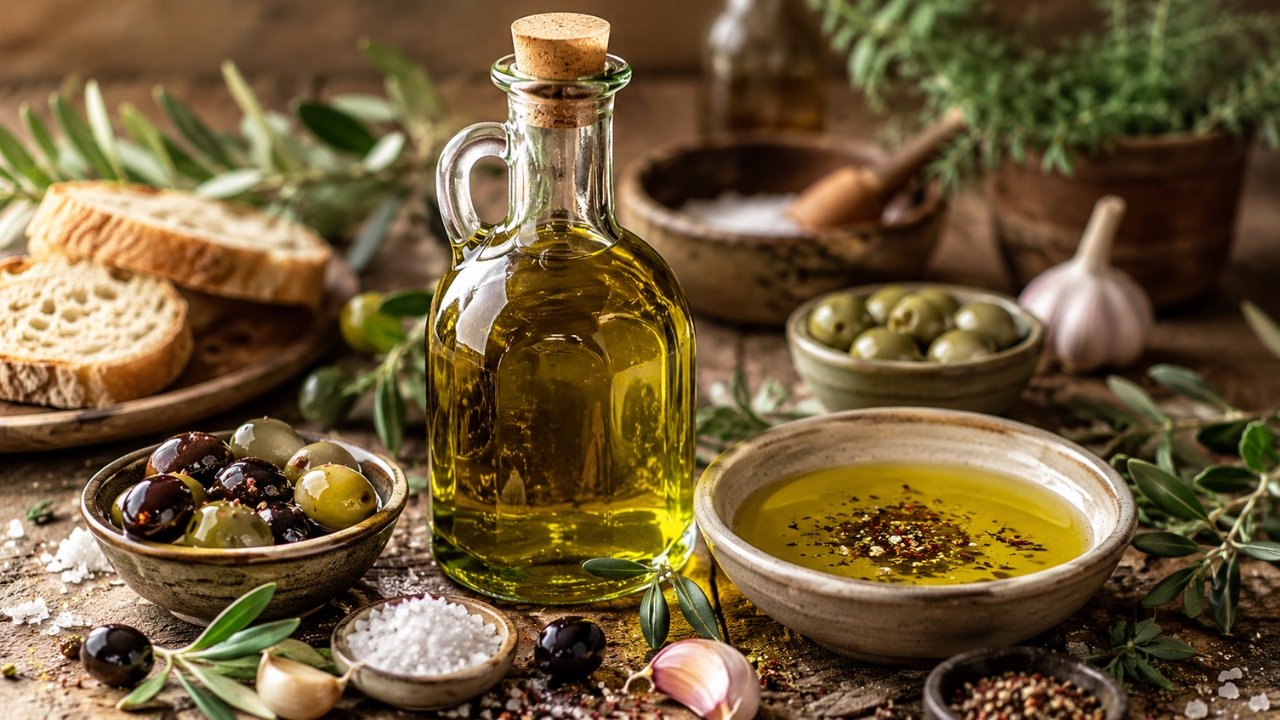
Walk into any modern supermarket today and you will find an entire shelf devoted to olive oil—sleek Italian bottles, rustic Spanish tins, minimalist organic labels, imported Greek varieties, cold-pressed claims, heart-healthy promises, and words like “premium,” “estate,” or “artisanal” floating across glass in elegant fonts. For many shoppers, this abundance feels reassuring. More options should mean better choices. Yet in reality, it often creates the opposite effect: confusion disguised as sophistication.
Because buying extra virgin olive oil is no longer as simple as selecting the most expensive bottle or trusting the prettiest packaging. In fact, olive oil has quietly become one of the most misunderstood staples in the modern pantry. It is sold as a wellness product, a gourmet product, a Mediterranean lifestyle symbol, and a premium cooking essential all at once. Somewhere beneath those marketing layers lies a more practical question—what actually makes one bottle worth buying over another?
This matters because olive oil is not merely another cooking fat. Unlike neutral oils that disappear anonymously into recipes, extra virgin olive oil leaves a fingerprint on the meal. It changes aroma, texture, finish, and even the emotional tone of food. A bowl of soup feels warmer with it. A slice of bread feels less rushed. A salad tastes less assembled and more complete. Buying the right bottle, therefore, is not simply a culinary choice. It is a lifestyle decision hidden inside an everyday grocery purchase.
And in a time when people are increasingly returning to simpler, slower, and more intentional home habits, understanding olive oil has become surprisingly relevant.
Why Extra Virgin Olive Oil Resonates So Strongly With Today’s Consumer
There is a reason olive oil has moved beyond Mediterranean cuisine and entered ordinary kitchens around the world. It aligns perfectly with the values modern consumers are trying to reclaim: authenticity, health consciousness, ingredient transparency, and uncomplicated nourishment.
People are tired of products that feel industrial. They are tired of labels they cannot decipher and foods that seem engineered rather than grown. Olive oil, especially extra virgin, offers the opposite image. It suggests olives, harvests, groves, stone mills, family farms, and a more grounded relationship with food. Whether every bottle truly lives up to that romance is another matter, but the emotional attraction is powerful.
There is also a psychological comfort in pantry staples that feel timeless. Bread, butter, salt, eggs, and olive oil survive every food trend because they speak to domestic continuity. In unstable times, people naturally gravitate toward ingredients that make the home kitchen feel dependable again.
Extra virgin olive oil has therefore become more than a healthy drizzle—it has become part of a quiet rebellion against rushed eating.
Many households are no longer looking only for food that fills plates. They are looking for food that slows them down, however briefly. Olive oil participates in that slowing down because it asks to be tasted, noticed, and appreciated rather than simply used.
The Packaging Trap: Why Attractive Bottles Often Mislead Buyers
One of the most common mistakes consumers make is shopping emotionally instead of informationally. Olive oil brands know exactly how to sell a story. Deep green glass, vineyard-style illustrations, cursive European names, gold medal stamps, hand-drawn olives, textured paper labels—these visual cues are designed to whisper authenticity before you ever twist the cap.
But packaging is often where illusion begins.
Many bottles rely on broad language that sounds meaningful but tells you very little:
- “Imported” sounds prestigious, yet imported from where and bottled by whom?
- “Cold Pressed” sounds artisanal, though it has become a nearly universal marketing phrase.
- “Pure” sounds cleaner, but in olive oil terminology it can actually indicate a more refined product.
- “Mediterranean Blend” sounds romantic, but may reveal little about exact sourcing.
The reality is simple: a beautiful bottle can hold average oil, old oil, or blended oil with minimal transparency. Olive oil branding frequently sells atmosphere before quality.
This does not mean every premium label is dishonest. It means consumers need to become harder to impress.
When buying extra virgin olive oil, the useful information is usually less glamorous than the visual storytelling. Harvest date, production region, producer traceability, packaging protection, and storage details matter far more than decorative language.
Freshness Is the Silent Factor Most Buyers Ignore
Perhaps the biggest misconception surrounding olive oil is that it behaves like wine—that age somehow adds character. In truth, olive oil behaves more like fruit juice. It is best when relatively fresh, vibrant, and protected from deterioration.
Since olive oil is made from pressed olives, its flavor compounds and antioxidants gradually decline over time. Exposure to light, oxygen, and heat accelerates this process. A bottle that has spent months or years in poor storage may still technically be edible, but it loses the vividness that defines a good extra virgin oil.
Yet shoppers routinely look only for the “best before” date, which can be a poor indicator of quality. A generous shelf-life window says little about how alive the oil still is.
| What Smart Buyers Should Check | Why It Matters | What It Reveals |
|---|---|---|
| Harvest Date | Shows when olives were picked and milled | Indicates likely freshness and flavor vitality |
| Dark Bottle or Tin | Protects oil from sunlight exposure | Helps preserve aroma and nutrients |
| Named Region or Estate | Provides sourcing accountability | Suggests less anonymous industrial blending |
| Producer Information | Shows traceable manufacturing origin | Often linked to stronger quality control |
| Only Marketing Buzzwords | Lacks concrete detail | May indicate style over substance |
Fresh extra virgin olive oil should feel lively when tasted—sometimes grassy, sometimes peppery, occasionally slightly bitter. Flatness is often a sign that the oil has aged beyond its prime or was never particularly expressive to begin with.
And this freshness affects more than taste. It affects the entire sensory experience of food. Fresh oil makes simple dishes feel sharper, greener, brighter, and more intentional.
Flavor Should Never Be an Afterthought
Many buyers still treat olive oil as if all bottles are fundamentally interchangeable, useful only as a cooking medium. But this is like assuming all coffee tastes the same because it is dark and caffeinated. Olive oil has personality—sometimes subtle, sometimes dramatic.
Some oils carry notes of green apple or almond. Others feel peppery in the throat. Some are soft and buttery, while others are aggressively herbaceous. These distinctions are not culinary trivia. They determine whether the oil disappears into food or enhances it.
Think about the ordinary foods most people eat during the week: roasted vegetables, boiled eggs, grilled bread, pasta, soup, hummus, beans, tomatoes, steamed fish. None of these require luxury ingredients to improve. Often they require one finishing touch that creates roundness and depth. This is where olive oil earns its place.
A poor oil simply lubricates. A good oil contributes character.
That difference is why seasoned home cooks often become loyal to particular producers. Once someone experiences olive oil that smells alive, supermarket-generic versions begin to feel strangely mute.
Extra virgin olive oil should not be invisible in the kitchen. It should make you notice it, even in quiet meals.
Price: The Fine Line Between Cheap Compromise and Expensive Theater
Price creates another layer of consumer confusion. Some shoppers buy the least expensive bottle available, assuming olive oil is olive oil. Others instinctively trust the most expensive bottle, believing cost equals prestige. Both habits can lead to disappointment.
Good olive oil is labor-intensive. Olives must be harvested, transported, milled quickly, filtered or settled, bottled, and protected. Better sourcing generally costs more than mass industrial blending. So yes, extremely cheap extra virgin olive oil often raises legitimate questions.
But high price alone is not a guarantee of excellence. Some brands charge heavily for imported storytelling, boutique packaging, and luxury shelf appeal rather than superior flavor.
The smarter consumer asks: am I paying for quality markers, or am I paying for marketing atmosphere?
Sometimes the best-value bottle is not the most glamorous one. It is the one with transparent details, sensible packaging, and a producer that seems to respect the product rather than merely stylize it.
Practical Buying Habits That Actually Make a Difference
Olive oil buying becomes much less intimidating when approached through a few grounded habits rather than emotional impulse.
- Choose smaller bottles if your household uses oil slowly, since freshness declines after opening.
- Prefer dark glass or metal tins over clear decorative bottles.
- Look for harvest year, not just expiry date.
- Read the back label for sourcing specificity.
- Avoid dusty shelf bottles stored under harsh lighting for long periods.
- Taste and remember what profiles you personally enjoy—peppery, mild, fruity, or robust.
- Do not buy solely based on Mediterranean imagery or imported claims.
These are not gourmet tricks. They are simply signs that you are buying as an informed eater rather than as a visually persuaded shopper.
Why Better Pantry Staples Reflect a Bigger Lifestyle Shift
The popularity of thoughtful olive oil shopping is part of a broader domestic movement. People are increasingly less interested in owning more and more interested in choosing better. Better bread instead of packaged loaves. Better butter instead of anonymous spreads. Better coffee instead of automatic bitterness. Better pantry staples instead of random fillers.
This does not necessarily mean luxurious living. In many cases, it means fewer purchases made with more awareness.
That is why olive oil feels culturally symbolic right now. It represents the idea that daily life deserves small upgrades that are used repeatedly, not occasional extravagances that disappear in one evening.
A bottle of good extra virgin olive oil participates in breakfasts, quick lunches, lazy dinners, improvised snacks, and weekend cooking. It becomes woven into the rhythm of the household. Unlike a restaurant splurge, it quietly improves dozens of ordinary moments.
And perhaps that is what modern buyers are really chasing—not gourmet identity, but domestic satisfaction.
The Real Lesson Hidden Inside the Bottle
Buying extra virgin olive oil wisely is ultimately not about becoming a food snob. It is about learning how to recognize substance in a marketplace obsessed with surface. Once you understand freshness, traceability, flavor, packaging, and realistic pricing, the shelf becomes less intimidating and far more honest.
You begin to realize that the best bottle is not the one shouting the loudest. It is the one giving you the clearest reasons to trust it.
And once that bottle enters your kitchen, its value extends beyond nutrition charts or culinary prestige. It changes the mood of home cooking. It encourages simpler meals because simple meals no longer feel deprived. A tomato, a slice of bread, warm lentils, grilled zucchini, a fried egg—these things suddenly need less decoration when the finishing ingredient is chosen well.
That may be the quiet genius of extra virgin olive oil. It reminds us that sophistication in food does not always come from complicated recipes, expensive appliances, or restaurant techniques. Sometimes it comes from one informed grocery decision repeated week after week.
In an overstimulated food culture where everything is louder, sweeter, faster, and more heavily marketed, olive oil offers an unusually elegant lesson: when you buy simple things carefully, everyday life begins to feel less careless too.