
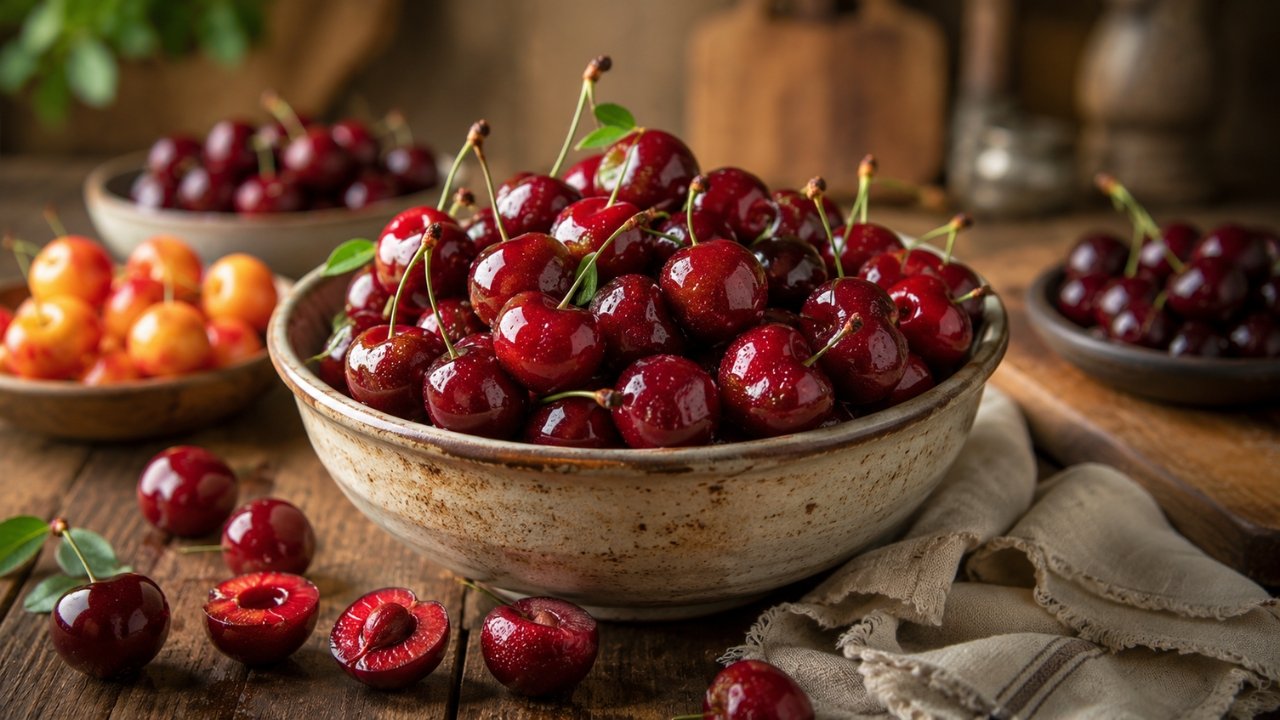
Sweet cherries are small, seasonal, and beautifully simple, yet they ask us to pay attention in a way many modern foods no longer do. Their color, firmness, shine, stems, and weight all tell a story about freshness. In a world where people often shop quickly, order groceries online, or trust packaging more than their own senses, cherries bring back an older kind of food wisdom. They remind us that good eating begins before the first bite. It begins when we pause, look closely, and choose with care. A bowl of sweet cherries can feel like summer itself: bright, short-lived, generous, and full of memory.
Why Sweet Cherries Still Feel Special
Sweet cherries are not everyday fruit in the same way apples, oranges, or bananas are. Their season feels brief, their appearance feels festive, and their flavor can move from ordinary to unforgettable in one bite. This is why people care about choosing them well. A good cherry is firm, juicy, rich, and naturally sweet. A poor one can feel flat, sour, soft, or disappointing.
Part of the charm of cherries comes from their timing. They often arrive when the weather turns warmer, meals become lighter, and people begin craving fresh, colorful food. Their presence in markets and fruit shops feels like a small announcement that the season has changed. A simple bowl of cherries on the table can make a kitchen feel lively without any decoration.
For many families, cherries also carry emotional value. Someone brings them home from the market, washes them, and places them in a bowl. Children often pick the darkest ones first. Adults eat them slowly while talking. The fruit becomes part of the room, part of the conversation, and part of the season.
The Simple Art of Choosing With Your Senses
Modern food shopping often teaches people to depend on labels, dates, sealed boxes, and printed promises. Cherries ask for something different. They invite direct observation. They want you to look at the skin, notice the color, feel the firmness, and check the stems. Picking sweet cherries well is not about guessing; it is about reading the fruit carefully.
This kind of attention has value beyond cherries. It reminds us that food quality is often visible and touchable. When you learn to see the difference between a dull cherry and a fresh one, you are also learning to slow down. You are choosing with care instead of rushing through another purchase.
There is something satisfying about using your own judgment. A shopper who knows what to look for does not feel helpless in front of a pile of fruit. They can notice which cherries look alive, which ones seem tired, and which ones deserve a place in the basket. That confidence makes food shopping feel more personal.
What Fresh Sweet Cherries Usually Show You
The best cherries usually give clear signs. Their color looks deep and rich. Their skin looks smooth and lively. Their shape feels plump. Their stems, when still attached, look fresh rather than dry. These details may seem small, but together they can tell you a lot about sweetness, freshness, and texture.
Color is often the first thing people notice, but it should not be the only thing. Some cherry varieties naturally appear darker, while others may be lighter or have a golden-red blush. The real goal is to look for richness, brightness, and evenness. A cherry that looks dull, pale, or tired may not deliver the taste you expect.
Firmness is just as important. A good cherry should feel firm but not hard. If it feels too soft, wrinkled, or sunken, it may be overripe or poorly stored. If the skin is cracked, sticky, or leaking, the fruit may spoil quickly. A sweet cherry should feel fresh in the hand before it feels sweet on the tongue.
| What to Notice | Good Sign | What It Means |
|---|---|---|
| Color | Deep, rich, lively shade | Often shows better ripeness and fuller flavor |
| Texture | Firm, plump, smooth skin | Suggests freshness and a better bite |
| Stem | Green and fresh-looking | May suggest the cherries were picked recently |
| Skin | Clean, shiny, and unbroken | Helps protect flavor and freshness |
| Overall Look | Bright, full, and healthy | Shows the fruit has been handled well |
Why People Are Returning to Seasonal Food Wisdom
There is a growing interest in food that feels real, seasonal, and less complicated. Many people are tired of over-processed options and perfectly packaged foods that look attractive but lack character. They want food that connects them to place, season, and memory. Sweet cherries fit beautifully into that return to simplicity.
Choosing cherries carefully may seem like a small act, but it belongs to a larger lifestyle shift. People are trying to eat with more awareness, waste less, buy better, and enjoy food with intention. Instead of grabbing the first box available, they want to understand what makes fruit worth buying.
This matters even more when food prices are high. No one wants to bring home cherries that look beautiful at first but taste sour, soft, or watery. Learning how to select them gives shoppers confidence. It also makes the purchase feel more worthwhile because each bite has a better chance of delivering the sweetness people expect.
Small Signs That Make a Big Difference
When people talk about cherries, they often focus only on sweetness. But sweetness is not the whole story. Texture, juiciness, freshness, aroma, and appearance all shape the experience. A cherry can be sweet but soft. It can be juicy but bland. It can look pretty but taste weak. The best cherries offer balance.
- Choose cherries with smooth, shiny skin because dull skin may suggest lost freshness.
- Look for firm texture because soft cherries often taste tired or watery.
- Pick cherries with fresh green stems when possible.
- Avoid cracked, bruised, sticky, or leaking cherries.
- Do not judge only by size because smaller cherries can also be very sweet.
- Check the overall look of the batch, not just one or two cherries.
These observations are practical, but they also make the shopping experience more meaningful. You are not just buying fruit; you are reading it. You are taking part in an older relationship between people and produce, one that existed long before food became something scanned, delivered, and forgotten.
Cherries and the Memory of Summer
Few fruits feel as connected to memory as cherries. Their color is dramatic, their season is short, and their taste can quickly bring back a scene. A roadside fruit stand. A grandmother’s kitchen. A summer picnic. A small bowl placed after dinner instead of heavy dessert. These memories matter because they show how simple foods can hold emotional weight.
Sweet cherries also have a social quality. They are rarely eaten with formality. They are shared, passed around, placed in the center of the table, and enjoyed slowly. Their pits naturally slow people down. Their stains mark the moment. In this way, cherries resist the speed of modern eating. They ask you to pause, notice, and maybe talk.
For children, cherries can feel playful and exciting. For adults, they may feel nostalgic. The simple act of eating them can bring back memories of family visits, school holidays, warm evenings, or market trips. This is why a bowl of cherries can feel more emotional than many expensive desserts.
Why Picking Cherries Feels Like a Lost Skill
Many people now shop in a hurry. They choose fruit based on packaging, quick appearance, or price alone. Because of this, the older skill of selecting produce by touch and sight is slowly fading. But learning How to Pick Sweet Cherries Without Guessing brings that skill back in a simple way.
This does not mean shopping has to become complicated. It simply means paying attention. Look at the skin. Notice the stems. Feel the firmness. Check for damage. These small actions take very little time, but they change the result. A better cherry gives more pleasure, and a better fruit choice makes the whole eating experience feel more thoughtful.
There is quiet confidence in knowing how to choose food. It makes people feel more connected to what they eat. It also makes everyday shopping less mechanical. Instead of feeling like another task, choosing fruit becomes a small act of care.
How Cherries Fit Modern Food Choices
Modern eating is changing. People are not only asking what tastes good. They are asking what feels fresh, simple, natural, and worth buying. Sweet cherries answer that need beautifully. They offer natural sweetness without feeling heavy. They work for families, children, gatherings, picnics, lunchboxes, and quiet evening snacks.
They also fit into a more mindful way of eating. A bowl of cherries encourages slower snacking. You do not eat them as quickly as packaged sweets or salty snacks. You notice each bite. The pit slows the pace, and the flavor feels bright enough to satisfy. This makes cherries feel both joyful and balanced.
In many homes, cherries also replace heavier desserts during warmer months. Instead of serving something rich after dinner, people may place a fresh bowl of cherries on the table. It feels lighter but still special. That is the power of good fruit. It can offer pleasure without excess.
Simple Storage Habits That Protect Freshness
Once good cherries are chosen, caring for them matters. Cherries are delicate, and their freshness can fade quickly if they are handled poorly. The most useful habit is to keep them cool and dry. Washing them too early can add moisture, which may make them spoil faster. It is usually better to wash cherries only before eating.
- Keep cherries in the refrigerator after bringing them home.
- Do not wash them until you are ready to eat them.
- Remove damaged cherries so they do not affect the rest.
- Keep them in a breathable container or slightly open pack.
- Eat the ripest cherries first for the best flavor.
These are not complicated rules. They are simple food-care habits. They help protect the quality you selected at the market. When people learn to choose and store fruit well, they waste less and enjoy more.
The Emotional Value of a Simple Bowl of Cherries
A bowl of cherries can say more than it seems. It can suggest care, hospitality, and seasonality. It can make a kitchen feel warm and alive. It can turn an ordinary afternoon into something softer. This is why simple foods often stay in memory more strongly than complicated ones.
Cherries are beautiful without needing to perform. Their color is naturally dramatic. Their shape is familiar. Their flavor is direct. They remind us that food pleasure does not always come from effort. Sometimes it comes from choosing well and letting nature do the rest.
That is why the act of picking sweet cherries matters. It is not just about avoiding sour fruit. It is about becoming more aware of food quality. It is about respecting season, freshness, and the small details that make eating feel human.
Conclusion
How to Pick Sweet Cherries Without Guessing is finally about more than selecting the sweetest fruit. It is about returning to a simple kind of food wisdom that many people still need in modern life. When you learn to notice color, firmness, stems, shine, and freshness, you are not only improving your shopping choice; you are building a deeper connection with everyday food. Sweet cherries carry memory, comfort, season, and family feeling in a small, beautiful form. They remind us that simple foods can still feel special when we give them attention. A good cherry does not need decoration or noise. It only needs ripeness, care, and a person willing to notice its quiet signs. In that small moment, food becomes more than taste. It becomes a memory, a habit, and a gentle return to simplicity.