
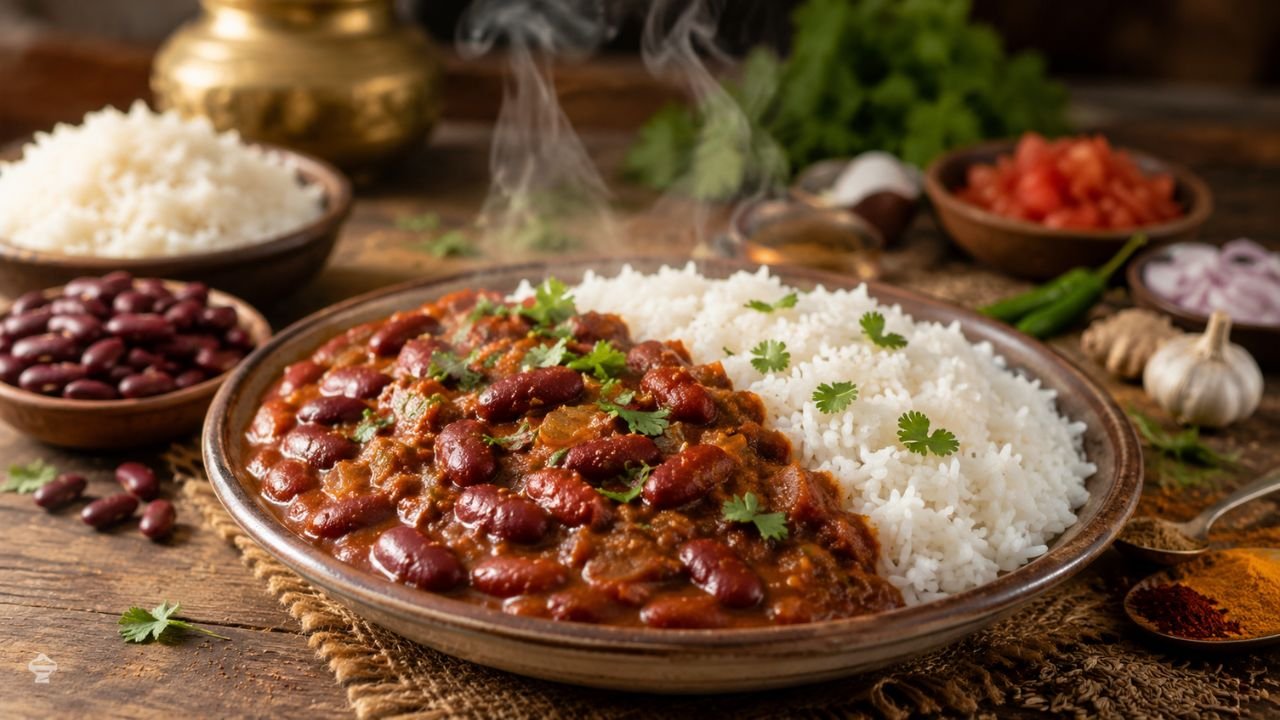
Sushant Singh Rajput Loved This Classic Rajma Chawal Every Foodie Wants is the kind of title that instantly brings warmth, nostalgia, and comfort to the table. Rajma Chawal is not just a meal; it is an emotion for many Indian food lovers. A bowl of soft kidney beans cooked in a rich tomato-onion gravy and served with fluffy steamed rice can feel simple, but its taste is deeply satisfying. This recipe is inspired by the classic North Indian style of rajma chawal, where slow cooking, balanced spices, and homely flavors matter more than complicated techniques. It is the kind of food that reminds people of family lunches, weekend comfort meals, and the joy of eating something filling without making it too heavy. The beauty of rajma chawal lies in its balance: creamy beans, mildly spicy gravy, soft rice, and a touch of freshness from coriander. When prepared properly, every spoonful carries depth, comfort, and a natural richness that makes it perfect for lunch, dinner, or a relaxed Sunday meal.
Recipe Information
This classic rajma chawal recipe is designed for home cooks who want a reliable, flavorful, and comforting meal without making the process difficult. Rajma, also known as kidney beans, needs soaking and proper cooking so that it becomes soft, creamy, and easy to digest. The preparation time for this recipe is 8 hours and 20 minutes, which includes soaking time and basic chopping. The cooking time is 1 hour and 10 minutes, giving the beans enough time to absorb the masala and develop a deep flavor. The total time is 9 hours and 30 minutes. This recipe serves 4 people and works beautifully as a main course.
The cuisine style is North Indian, especially influenced by Punjabi home cooking. The recipe category is main course because rajma chawal is complete enough to be served as a full meal. It contains protein from kidney beans, carbohydrates from rice, and fiber from both beans and vegetables. The gravy is made with onions, tomatoes, ginger, garlic, and everyday spices. You do not need fancy ingredients. What matters most is soaking the rajma well, cooking it until soft, and allowing the curry to simmer after adding the masala. This simmering step helps the gravy become thick, smooth, and rich.
For the best result, use dried red kidney beans instead of canned beans. Dried beans give better texture and absorb flavor more deeply. However, if you are short on time, canned beans can be used with a few adjustments. The rice should be cooked separately so that each grain stays light and fluffy. Basmati rice is the most popular choice because of its aroma, but regular rice also works well. This dish tastes even better after resting for some time because the beans continue to absorb the spices. It can also be stored and reheated, making it useful for meal planning.
- Preparation Time: 8 hours and 20 minutes
- Cooking Time: 1 hour and 10 minutes
- Total Time: 9 hours and 30 minutes
- Servings: 4 portions
- Recipe Category: Main Course
- Recipe Cuisine: North Indian
Ingredients
The ingredients for rajma chawal are simple, but each one has an important role. Kidney beans form the heart of the dish, while onions give body and sweetness to the gravy. Tomatoes add tang and color. Ginger and garlic bring warmth and depth. Spices such as cumin, coriander powder, turmeric, red chili powder, and garam masala create the classic Indian flavor. A small amount of oil or ghee helps cook the masala properly. Fresh coriander at the end adds brightness and freshness. For the chawal, you only need rice, water, and salt, though a small spoon of ghee can make the rice more aromatic.
Choose good-quality rajma that is not too old. Very old beans take longer to soften and may not give a creamy texture even after pressure cooking. Wash the beans well before soaking them overnight. Soaking reduces cooking time and helps the beans become tender. If possible, soak them for 8 hours or overnight in enough water because the beans expand as they absorb moisture. After soaking, discard the soaking water and rinse the beans again before cooking. This gives a cleaner taste and better texture.
- 1 cup dried red kidney beans, soaked overnight
- 3 cups water for pressure cooking the rajma
- 2 tablespoons oil or ghee
- 1 teaspoon cumin seeds
- 1 large onion, finely chopped
- 2 medium tomatoes, finely chopped or pureed
- 1 tablespoon ginger-garlic paste
- 1 green chili, slit, optional
- 1 teaspoon turmeric powder
- 1 teaspoon red chili powder
- 2 teaspoons coriander powder
- 1 teaspoon cumin powder
- 1 teaspoon garam masala
- Salt as needed
- 1 tablespoon fresh coriander leaves, chopped
- 1 teaspoon lemon juice, optional
- 1 cup basmati rice
- 2 cups water for cooking rice
- 1 teaspoon ghee for rice, optional
- Salt for rice as needed
Preparation
Start by washing the dried kidney beans under running water. Place them in a large bowl and cover them with enough water. Leave them to soak for at least 8 hours or overnight. This step is very important because properly soaked rajma cooks faster and becomes soft from the inside. After soaking, drain the water and rinse the beans again. Transfer the soaked beans to a pressure cooker with 3 cups of fresh water and a little salt. Cook until the beans become completely tender. Depending on your cooker and the quality of beans, this may take around 6 to 8 whistles on medium heat, followed by natural pressure release.
While the rajma is cooking, prepare the rice. Wash the basmati rice gently until the water becomes mostly clear. Soak the rice for 15 to 20 minutes if you want longer and softer grains. Drain the soaked rice. Add 2 cups of water to a pan, bring it to a boil, then add the rice, salt, and optional ghee. Cook on low heat until the water is absorbed and the rice is done. Keep the pan covered for a few minutes after cooking, then fluff the rice gently with a fork. The rice should be soft but not sticky. Well-cooked rice makes the rajma chawal experience much better because it balances the thick curry.
Now prepare the rajma masala. Heat oil or ghee in a heavy pan. Add cumin seeds and let them crackle. Add the chopped onion and cook it on medium heat until it turns golden brown. This step takes time, but it builds the base flavor of the curry. Do not rush the onions because undercooked onions can make the gravy taste raw. Once the onions are golden, add ginger-garlic paste and green chili. Cook for a minute until the raw smell goes away. Add chopped or pureed tomatoes and mix well. Cook the tomatoes until they become soft and the oil starts to separate from the masala.
Add turmeric powder, red chili powder, coriander powder, cumin powder, and salt. Stir the spices into the tomato-onion base and cook for a few minutes. If the masala becomes too dry, add a small splash of water to prevent burning. Once the masala looks thick and glossy, add the cooked rajma along with its cooking liquid. Mix everything well. Use the back of a spoon to lightly mash a few beans in the curry. This helps thicken the gravy naturally and gives the rajma a creamy texture. Let the curry simmer on low heat for 20 to 25 minutes so the beans absorb the spices fully.
During simmering, check the consistency. If the curry is too thick, add a little hot water. If it is too thin, cook it uncovered until it reaches your desired texture. The final rajma should be thick enough to coat the rice but not so dry that it loses its gravy. Add garam masala near the end and mix gently. Taste and adjust salt if needed. Add lemon juice only if you want a slight tang. Finish with fresh coriander leaves. Serve the hot rajma over steamed rice or on the side. A small onion salad, pickle, or plain curd can make the meal even more satisfying.
- Soak the rajma overnight for the best soft texture.
- Pressure cook the beans until they are fully tender.
- Cook onions slowly until golden for deeper flavor.
- Simmer the rajma with masala for at least 20 minutes.
- Serve hot with fluffy steamed rice.
Tips
The most important tip for perfect rajma chawal is to never leave the beans half-cooked. Rajma should be soft enough to mash easily between your fingers. If the beans are firm, the final dish will not taste creamy, no matter how good the masala is. If your rajma remains hard after pressure cooking, add more water and cook it again. Different varieties of kidney beans need different cooking times, so always judge by texture instead of only counting whistles.
Another useful tip is to cook the masala properly before adding the beans. The onion, tomato, and spices must cook until they lose their raw taste. When the oil begins to separate slightly from the masala, it is usually ready. This does not mean the dish needs too much oil. Even with a modest amount of oil, you can cook the masala patiently and get a rich flavor. If you want a smoother gravy, blend the cooked onion-tomato mixture before adding rajma. This creates a restaurant-style texture while keeping the taste homely.
Do not add garam masala too early. It works best when added near the end because its aroma stays fresh. You can also add a small piece of butter at the end for a richer taste, but it is optional. If you want a lighter version, use less oil and avoid butter. For better digestion, you can add a pinch of asafoetida while tempering cumin seeds. A small amount of crushed kasuri methi can also be added near the end, but keep it limited so it does not overpower the classic rajma flavor.
Resting the curry improves the taste. If possible, cook rajma 30 minutes before serving and let it sit covered. Reheat it gently before serving with rice. The gravy becomes thicker and more flavorful as it rests. If reheating leftovers, add a splash of water because rajma thickens in the refrigerator. Always reheat until hot and stir gently to avoid breaking all the beans. Rajma can be stored in the refrigerator for up to 3 days in an airtight container.
- Use fresh spices for a better aroma.
- Mash a few beans to naturally thicken the curry.
- Add hot water, not cold water, while adjusting consistency.
- Let the curry rest before serving for deeper taste.
- Pair with plain rice to enjoy the classic flavor fully.
Variations
Classic rajma chawal is already complete, but you can adjust it in many ways according to your taste. For a Punjabi-style version, use ghee instead of oil and cook the masala until it becomes rich and deep in color. You can also add a small spoon of butter at the end for a creamy finish. This version tastes bold and comforting, especially when served with basmati rice and onion salad. For a lighter everyday version, reduce the oil and use more tomatoes for freshness. This gives a cleaner taste while keeping the dish satisfying.
Another variation is to make rajma chawal bowl style. Place rice in a bowl, spoon rajma on top, and add fresh onion, cucumber, coriander, lemon juice, and curd on the side. This makes the dish look modern while keeping the traditional taste. You can also add a small spoon of homemade pickle for extra punch. For kids, keep the spice mild and make the gravy slightly thicker so it mixes well with rice. Rajma can also be served with roti, paratha, or jeera rice, but the classic pairing with plain steamed rice remains the most loved.
- Use ghee and butter for a richer Punjabi-style rajma.
- Use canned beans for a quicker weekday version.
- Serve with brown rice for a higher-fiber meal.
- Blend the masala for a smoother gravy.
- Keep the gravy chunky for a rustic homemade taste.
Conclusion
Sushant Singh Rajput Loved This Classic Rajma Chawal Every Foodie Wants celebrates the comfort and simplicity of a dish that has a special place in Indian kitchens. Rajma chawal does not need expensive ingredients or complicated methods. It needs patience, proper soaking, slow cooking, and a well-balanced masala. When the kidney beans are soft and the gravy is simmered long enough, the result is rich, homely, and deeply satisfying. The rice adds softness and balance, making every bite complete.