
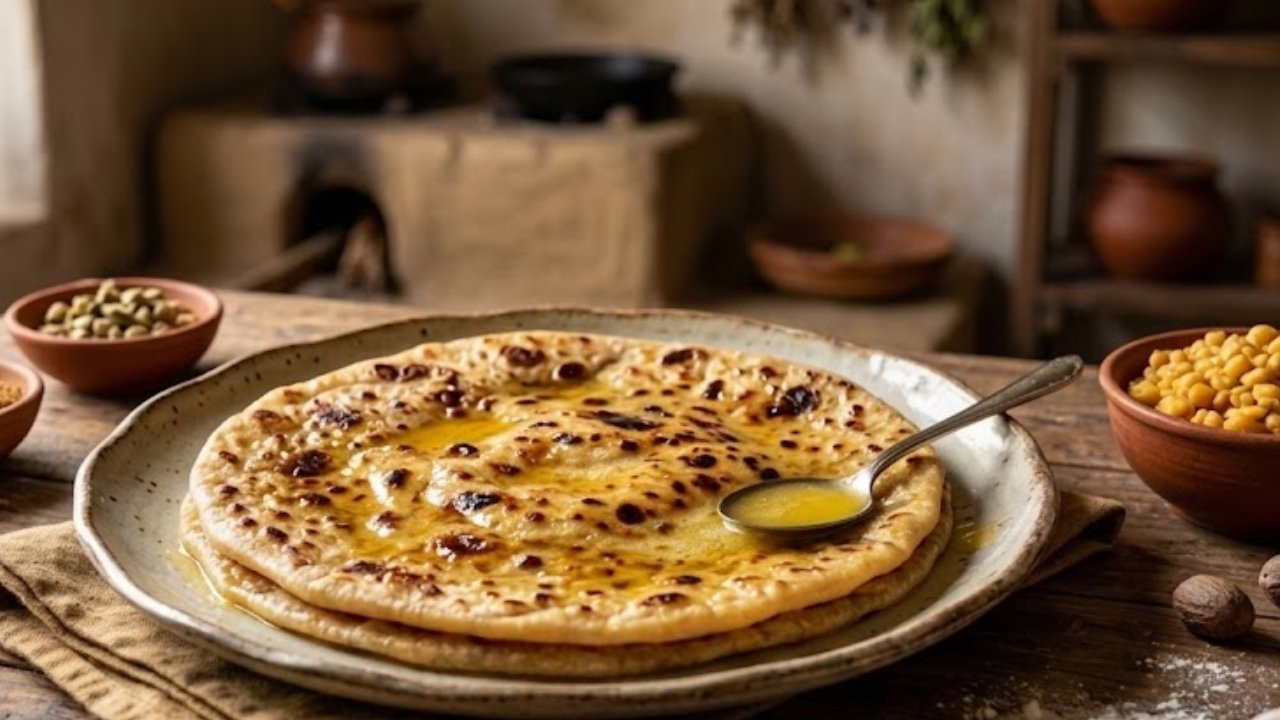
Puran Poli is one of those timeless Indian delicacies that instantly brings warmth, nostalgia, and celebration to the dining table. Known for its delicate balance of sweetness, richness, and comforting aroma, this traditional flatbread has remained a beloved favorite across generations. The fact that it is often associated with influential personalities like Uday Kotak only highlights how deeply rooted this dish is in Indian culinary culture. Soft golden dough wrapped around a fragrant filling of lentils, jaggery, cardamom, and nutmeg creates a luxurious sweet treat that feels both festive and deeply satisfying.
Popular across Maharashtra and several parts of South India, Puran Poli is often prepared during festivals, family gatherings, and special occasions. Every household has its own cherished version, with subtle differences in texture, sweetness, and spice. Some prefer it thin and delicate, while others enjoy a slightly thicker version packed with generous filling. Regardless of the variation, the essence remains the same — a rich, melt-in-the-mouth bread that delivers comfort with every bite.
The beauty of Puran Poli lies in its simplicity and craftsmanship. Though the ingredient list appears humble, the technique requires patience and care. The dough must be soft and pliable, while the sweet lentil filling should be smooth, aromatic, and perfectly balanced. When cooked slowly on a hot griddle with a touch of ghee, the flatbread develops irresistible golden spots and a heavenly fragrance that fills the kitchen.
Served warm with melted ghee, milk, or even alongside savory dishes, Puran Poli effortlessly bridges the gap between dessert and main course. It is indulgent without being overwhelming and sweet without being cloying. This traditional recipe captures the authentic flavors that make Puran Poli a treasured Indian classic every food lover deserves to experience at least once.
Recipe Information
This traditional Puran Poli recipe offers a beautifully soft texture with a rich and aromatic lentil filling. The dough is prepared using wheat flour and a touch of oil to create elasticity and softness, while the filling combines chana dal and jaggery for a naturally sweet and earthy flavor profile.
- Preparation Time: 45 minutes
- Cooking Time: 35 minutes
- Total Time: 1 hour 20 minutes
- Recipe Yield: 10 Puran Polis
- Recipe Category: Sweet Flatbread
- Cuisine: Indian
- Difficulty Level: Moderate
The recipe is ideal for festive meals, traditional celebrations, or leisurely weekend cooking. Though it takes time to prepare, the final result is incredibly rewarding and deeply comforting.
Ingredients
Choosing quality ingredients plays a major role in achieving authentic flavor and texture. Fresh jaggery, aromatic spices, and properly cooked lentils are essential for creating a smooth and flavorful filling.
- 2 cups whole wheat flour
- 1/2 cup all-purpose flour
- 3 tablespoons oil or ghee
- 1/4 teaspoon turmeric powder
- Water as needed for kneading
- 1 cup chana dal
- 1 cup grated jaggery
- 1 teaspoon cardamom powder
- 1/4 teaspoon nutmeg powder
- 2 tablespoons ghee for roasting
- 1 pinch salt
The combination of wheat flour and all-purpose flour gives the dough enough elasticity to hold the filling while remaining soft after cooking. Chana dal creates a rich, creamy texture, while jaggery contributes deep caramel-like sweetness that refined sugar cannot replicate.
Cardamom and nutmeg provide the signature aroma associated with traditional Indian festive sweets. Ghee not only enhances flavor but also helps achieve the golden exterior that makes Puran Poli visually appealing and delicious.
Preparation
Begin by washing the chana dal thoroughly under running water. Soak it for about 30 minutes to help it cook evenly and soften faster. Once soaked, transfer the lentils to a pressure cooker or deep pot with enough water and cook until the dal becomes soft but not mushy. The grains should hold shape while still being easy to mash.
Drain any excess water completely from the cooked lentils. This step is extremely important because excess moisture can make the filling sticky and difficult to handle later. Allow the lentils to cool slightly before transferring them to a pan.
Add the grated jaggery to the cooked lentils and cook the mixture over low heat. Stir continuously as the jaggery melts and combines with the dal. The filling should gradually thicken and become smooth. Continue cooking until most of the moisture evaporates and the mixture starts leaving the sides of the pan.
Once thickened, add cardamom powder and nutmeg powder. Mix thoroughly to distribute the spices evenly throughout the filling. Allow the mixture to cool completely before blending or mashing it into a smooth paste. Traditionally, the filling is passed through a strainer or ground lightly for an ultra-smooth texture.
While the filling cools, prepare the dough. In a large mixing bowl, combine whole wheat flour, all-purpose flour, turmeric powder, salt, and oil. Mix well before gradually adding water. Knead into a soft, smooth, and elastic dough. The dough should feel softer than regular chapati dough to ensure easy rolling and delicate texture after cooking.
Cover the dough with a damp cloth and allow it to rest for at least 20 minutes. Resting helps relax the gluten and makes the dough easier to stretch around the filling.
After resting, divide the dough into equal portions. Similarly, divide the filling into slightly larger portions. Since Puran Poli is known for its generous filling, the stuffing portion is usually larger than the dough ball.
Take one dough ball and flatten it gently using your fingers. Place one portion of filling in the center and carefully gather the edges to seal it completely. Remove excess dough if necessary to avoid thick layers around the stuffing.
Dust the stuffed ball lightly with flour and begin rolling gently using a rolling pin. Apply even pressure while rotating the dough to maintain a circular shape. Roll carefully to avoid tearing the outer layer. The final flatbread should be thin yet strong enough to hold the filling.
Heat a tawa or flat griddle over medium heat. Transfer the rolled Puran Poli onto the hot surface and cook until small bubbles begin appearing. Flip gently and apply ghee on both sides. Continue cooking until golden brown spots develop evenly across the surface.
The aroma released during cooking is one of the most rewarding parts of the process. The jaggery caramelizes slightly while the dough becomes beautifully soft and fragrant. Repeat the process with the remaining dough and filling.
Serve the Puran Poli warm with extra ghee drizzled on top. Some people also enjoy it with warm milk, saffron-infused cream, or a lightly spiced curry for a complete traditional meal experience.
Tips
Always cook the lentils until soft but not watery. Overcooked dal can create a sticky filling that becomes difficult to roll properly.
Draining excess moisture from the filling is essential for achieving smooth and manageable stuffing. A dry filling prevents tearing during rolling.
Using fresh jaggery dramatically improves flavor. Darker jaggery varieties provide deeper caramel notes and richer sweetness.
Resting the dough is crucial. A properly rested dough becomes more elastic and prevents cracking when stuffed.
Apply gentle pressure while rolling the stuffed dough. Excess force can cause the filling to burst through the outer layer.
Cooking on medium heat ensures even browning without burning the jaggery inside. High heat may leave the exterior overcooked while the inside remains doughy.
Adding ghee during roasting enhances softness and gives the flatbread its authentic festive flavor.
If the filling feels too soft, cook it for a few more minutes until it thickens. Proper consistency is key to making perfect Puran Poli.
Variations
One popular variation replaces chana dal with toor dal for a softer and slightly creamier filling. This version is common in certain South Indian households and delivers a milder flavor profile.
Coconut lovers often add freshly grated coconut to the filling for additional texture and sweetness. The coconut also pairs beautifully with jaggery and cardamom.
Some recipes include saffron strands soaked in warm milk to create a luxurious festive aroma and delicate golden color.
For a richer version, the dough can be prepared entirely with all-purpose flour instead of wheat flour. This creates an ultra-soft and delicate texture similar to bakery-style sweet breads.
Nut lovers sometimes add finely chopped almonds or cashews to the filling for extra crunch and depth of flavor.
A vegan adaptation can easily be prepared by replacing ghee with neutral oil or plant-based butter alternatives. The result remains delicious and satisfying.
Modern interpretations occasionally incorporate chocolate, dates, or dried fruits into the filling, though traditionalists often prefer the classic jaggery-and-lentil combination for its timeless authenticity.
Conclusion
Puran Poli is far more than a simple sweet flatbread. It represents heritage, celebration, hospitality, and the comforting magic of homemade Indian food. Every bite reflects the patience and care involved in balancing soft dough with rich aromatic filling. Its golden appearance, fragrant spices, and melt-in-the-mouth texture make it one of the most treasured traditional sweets in Indian cuisine.
The enduring popularity of Puran Poli among food lovers and celebrated personalities alike proves how timeless this dish truly is. Whether prepared during festivals or enjoyed as a special homemade indulgence, it brings warmth and joy to every table. The combination of jaggery, lentils, cardamom, and ghee creates a flavor that feels deeply nostalgic while remaining irresistibly satisfying.
Making Puran Poli at home may require patience, but the process itself becomes part of the experience. Rolling each delicate flatbread, watching it puff gently on the hot griddle, and serving it warm with melted ghee creates a sense of connection to generations of culinary tradition.
For anyone passionate about authentic Indian sweets, Puran Poli deserves a place at the top of the must-try list. Rich yet comforting, festive yet simple, it remains one of the most beloved sweet treats in Indian cuisine and a dish that continues to win hearts across every generation.