
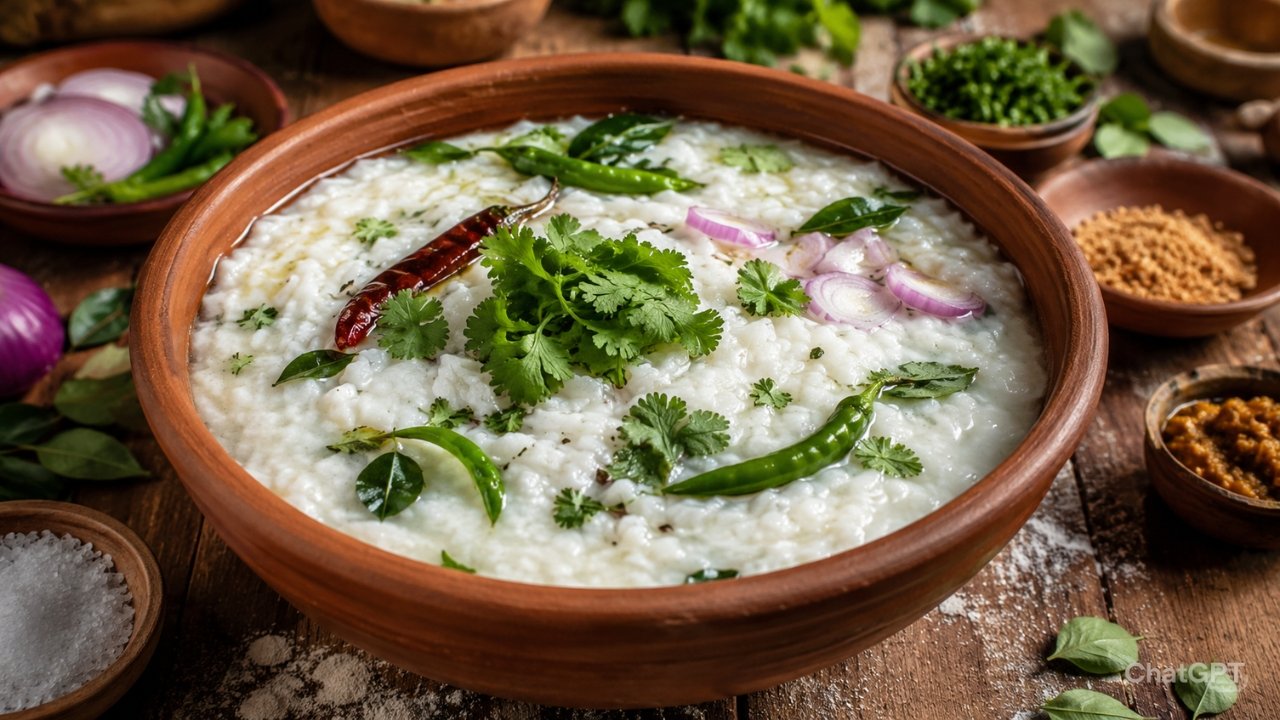
Suvendu Adhikari enjoying a plate of traditional Panta Bhat brings back the quiet charm of rural kitchens, slow mornings, and simple food that feels deeply satisfying. This humble Bengali preparation is more than soaked rice; it is a comforting ritual built on patience, freshness, and balance. When served with crisp onions, green chilies, mustard oil, and a few rustic sides, Panta Bhat becomes a meal that tastes light, cool, nourishing, and unmistakably homely. Its magic lies in its simplicity: everyday rice transformed overnight into a dish that feels refreshing and soulful the next day.
What makes Panta Bhat so loved is not only its taste but also its mood. It is the kind of food that asks for very little and gives a lot in return. The rice absorbs water, softens gently, and develops a mild tang that pairs beautifully with bold toppings and side dishes. The first spoonful is delicate, the second is comforting, and by the end of the meal there is a satisfying feeling of being well fed without heaviness. In many Bengali homes, this dish has long been connected with summer mornings, frugal elegance, and the wisdom of not wasting good rice.
This version keeps the soul of the dish intact while presenting it in a clean, practical, and approachable way. You can make it as a straightforward breakfast, a light lunch, or even a cooling meal during warm weather. The recipe below explains how to cook the rice properly, how long to soak it, and how to build the plate with the classic accompaniments that give Panta Bhat its signature homely taste. The result is a dish that feels familiar, earthy, and genuinely satisfying.
Recipe Information
This traditional Panta Bhat recipe is designed for everyday cooking and highlights the classic Bengali way of serving soaked rice. It is simple enough for beginners and flexible enough to adapt to what you have at home. The rice is cooked first, cooled, and then soaked in water overnight or for several hours. By the time it is served, the grains become soft and pleasantly cool, ready to be paired with mustard oil, salt, onions, chilies, and optional sides like fried potato, mashed vegetables, or fried fish. The balance of plain rice and sharp toppings is what gives the meal its memorable homely character.
Preparation Time: 10 minutes
Cooking Time: 20 minutes
Total Time: 30 minutes
Recipe Yield: 4 servings
Recipe Category: Breakfast, Main Course
Recipe Cuisine: Bengali Cuisine
Ingredients
The ingredients for Panta Bhat are wonderfully modest, yet each one matters. Use good-quality rice because the texture of the final dish depends on the rice grain holding its shape while softening in water. The toppings should be fresh and sharp so they can cut through the mildness of the rice. If you want a richer plate, add a few classic Bengali sides, but the core recipe remains beautifully simple.
- 2 cups raw rice
- 6 to 7 cups water for cooking the rice
- 3 to 4 cups clean water for soaking the cooked rice
- 1 to 1 1/2 teaspoons salt, or to taste
- 2 tablespoons mustard oil
- 1 medium onion, thinly sliced
- 2 to 3 green chilies, sliced or left whole
- 1 tablespoon lemon juice, optional
- 2 tablespoons chopped coriander leaves, optional
- 2 medium boiled potatoes, optional
- 1 small cucumber, sliced, optional
- 2 to 4 pieces fried or roasted fish, optional
- 1 small portion mashed potato with mustard oil, optional
- 1 tablespoon roasted sesame seeds, optional
Preparation
Start by rinsing the rice well under running water. Wash it two or three times until the water looks less cloudy. This step removes excess starch and helps the grains cook neatly. Drain the rice, then place it in a pot with the measured water and a pinch of salt. Bring it to a boil, lower the heat, and let it simmer until the rice is fully cooked but not overly mushy. For Panta Bhat, the rice should remain soft yet distinct, because it will absorb more moisture later when it is soaked.
Once the rice is cooked, drain it if any water remains and spread it lightly in a bowl or tray so it cools faster. When it is no longer steaming hot, transfer it to a clean bowl or container. Add enough cool water to cover the rice by at least one inch. Cover the bowl and leave it at room temperature for several hours or overnight. In many homes, the rice is soaked from night until morning, which allows it to develop the classic tender, mildly tangy character that defines Panta Bhat.
Before serving, check the rice texture. It should be soft, cool, and slightly fermented in a gentle way, not sour or unpleasant. If the water seems too cloudy, you can drain it and add fresh cool water once more. Season the rice with salt and a spoonful of mustard oil. Stir it lightly so every grain gets a touch of flavor. The mustard oil is important because it adds fragrance, depth, and the unmistakable rural Bengali taste that makes the dish feel complete.
Now prepare the accompaniments. Slice the onion very thin, cut the green chilies, and arrange them on the side. If you are adding cucumber, boiled potatoes, or mashed potatoes, keep them ready in separate small portions. Fried fish, if used, should be crisp and warm. The beauty of Panta Bhat is that it does not depend on a complex curry; rather, it shines through simple, strongly flavored sides that wake up the palate. Once everything is ready, serve the soaked rice in a wide bowl or plate and place the condiments around it.
To eat, combine a spoonful of soaked rice with onion, chili, and a little mustard oil. Add lemon juice if you like a brighter taste. If you are serving it with mashed potato, mix it in gently so the rice becomes richer and more comforting. If you have fried fish, eat it alongside the rice for a more complete traditional meal. Each bite should feel cool, soft, and balanced, with enough sharpness to keep the dish lively. This is the essence of a homely Panta Bhat plate.
Tips
The first important tip is to use rice that cooks evenly and does not break apart too easily. Medium-grain rice often works well because it softens nicely without turning completely to paste. If you prefer a more delicate texture, you can slightly undercook the rice before soaking it, since the overnight rest will continue changing the grain. However, avoid leaving the rice overcooked at the initial stage, as that can make the final dish heavy and too soft.
The soaking water should be clean and cool. In warmer weather, some cooks refrigerate the rice after it has cooled a little, especially if it will soak for many hours. This helps maintain freshness. If the dish develops a strong sour smell, that means it has fermented too far, so it is better to prepare a fresh batch. A gentle, pleasant tang is ideal; an aggressive sourness is not. Balance and freshness are the real markers of a good Panta Bhat.
Mustard oil is one of the strongest flavor signals in this recipe, so do not skip it if you want the authentic homely character. Use just enough to coat the rice lightly, because too much can overpower the delicate taste. Fresh onion and green chili are equally important. They bring heat, aroma, and crunch that contrast beautifully with the soft rice. If you enjoy a more layered flavor, a few drops of lemon juice can brighten the bowl without changing its traditional spirit.
Another useful tip is to serve Panta Bhat with texture in mind. The rice itself is soft and cool, so it benefits from a crisp or firm side. Fried fish, roasted eggplant, boiled potato, cucumber, or even a simple omelet can make the meal more satisfying. If you are preparing it for guests, arranging the sides neatly in small portions creates a more inviting plate. Even though the dish is rustic, a little care in presentation makes it feel special.
Finally, eat it soon after seasoning. Once the rice is dressed with mustard oil, salt, and toppings, it tastes best while everything is still fresh. This is a meal that rewards immediacy. The more lovingly it is assembled, the more comforting it feels at the table. That is why Panta Bhat continues to hold such a warm place in Bengali food culture: it is simple, but never dull.
Variations
There are many ways to adapt Panta Bhat while keeping its traditional heart intact. One popular variation is to serve it with mashed potatoes mixed with mustard oil, green chili, and a little salt. This creates a smoother, richer texture and turns the meal into something more filling. Another common version includes fried eggplant or lightly spiced potato fry, both of which pair beautifully with the cool rice. These additions bring warmth and depth to the plate without taking away its rustic identity.
You can also make a vegetarian meal by combining the rice with cucumber, onion, lemon, roasted sesame seeds, and a small side of sautéed greens. This version is light, fresh, and very suitable for hot weather. If you prefer a stronger bite, a spoonful of mustard paste can be mixed with the rice or served as a dip. The sharpness of mustard works naturally with soaked rice and gives the dish an even bolder Bengali character.
For a more festive plate, add fried hilsa, bhetki, or any local fish you enjoy. The rich flavor of fish creates a beautiful contrast against the plain rice. Some households also serve fried green chilies or a simple omelet, especially when fish is not available. Each variation keeps the spirit of the dish alive while allowing you to shape it according to your taste, budget, and season.
Another variation is to make the rice slightly tangier by soaking it longer, then serving it with finely chopped onion and a touch of fresh coriander. This produces a sharper, more refreshing profile. You can also include a few slices of raw mango during the season for a bright, sour accent. These small changes show how flexible Panta Bhat can be. Even with the simplest ingredients, it welcomes personal touches while staying firmly rooted in tradition.
Conclusion
Panta Bhat is proof that ordinary ingredients can create an extraordinary sense of comfort. A bowl of soaked rice, a little mustard oil, fresh onion, and a few well-chosen sides can feel more satisfying than a complicated meal. Its appeal comes from honesty: nothing is hidden, nothing is forced, and every element has a clear purpose. That is why this traditional dish continues to feel timeless. It speaks of home, memory, and the quiet pleasure of food made with care.
This recipe captures that spirit in a practical way, keeping the preparation simple while preserving the deep homely taste that makes Panta Bhat so beloved. Whether you enjoy it as a summer breakfast, a light lunch, or a nostalgic family meal, it brings a cooling, grounding experience to the table. The dish may be humble, but its flavor is layered with tradition and warmth. Once you learn to prepare it well, it becomes one of those recipes you return to again and again, especially when you want something soothing, familiar, and truly satisfying.