
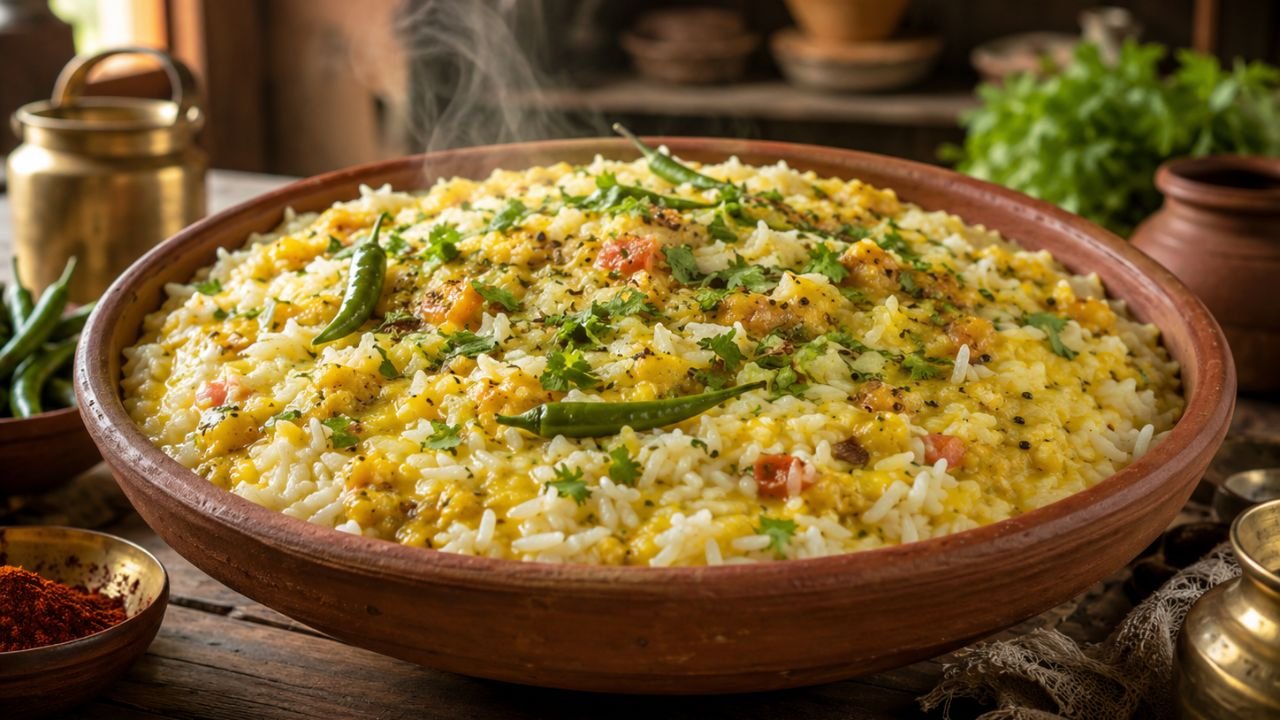
Jaya Bachchan Loves This Classic Bhaate Bhaat With Pure Desi Flavor You Must Try is the kind of title that instantly brings to mind a simple, soulful Indian meal that values comfort over complexity. Bhaate bhaat is one of those humble dishes that proves everyday food can be deeply satisfying when made with care. Rooted in home-style cooking, this preparation highlights soft rice, boiled vegetables, and aromatic desi touches that come together in a way that feels nourishing, nostalgic, and wonderfully grounded. It is the type of meal many people associate with childhood lunches, quiet afternoons at home, and the timeless wisdom of letting a few honest ingredients shine.
This classic style of bhaate bhaat is less about elaborate gravies or restaurant-style richness and more about flavor that feels pure, soft, and deeply comforting. The magic lies in the texture of freshly cooked rice paired with boiled potato and eggplant, lightly mashed with mustard oil, green chili, onion, and salt. Every spoonful tastes gentle yet expressive. It is easy to prepare, budget-friendly, and ideal for those days when you want something filling without spending hours in the kitchen. Because it relies on a handful of pantry staples and fresh produce, the recipe is approachable even for beginners.
One of the reasons this dish continues to hold emotional value across generations is its honesty. There is no attempt to disguise ingredients beneath heavy masalas. Instead, bhaate bhaat celebrates natural taste. Soft rice carries the body of the meal, while boiled vegetables lend creaminess and depth. Mustard oil introduces unmistakable desi sharpness, green chili contributes just enough heat, and finely chopped onion adds freshness and bite. The result is a rustic bowl of food that feels both wholesome and memorable.
If you have never tried bhaate bhaat before, think of it as a simple rice-based comfort dish that can be adjusted to your family’s taste while still keeping its traditional character. It is perfect for lunch, light dinner, recovery meals, and even busy weekdays when you want a no-fuss recipe that does not sacrifice taste. Once you make it the right way, you will understand why dishes like this remain beloved in Indian homes. They do not shout for attention, yet they leave the strongest impression.
Recipe Information
This recipe is a classic Indian comfort preparation inspired by Bengali-style home cooking, where boiled rice and vegetables are brought together with a few punchy ingredients for maximum flavor. It is a vegetarian recipe that focuses on softness, balance, and purity of taste. The preparation is straightforward, which makes it ideal for new cooks, students, working professionals, and anyone who wants to prepare a comforting meal with minimal equipment. All you really need is a pot for boiling rice and vegetables, a bowl for mixing, and a spoon or masher for bringing everything together.
The preparation time for this bhaate bhaat is 10 minutes, while the cooking time is 30 minutes. That makes the total time exactly 40 minutes. The recipe yields 2 generous servings, though it can easily be doubled for a family lunch. In terms of flavor, expect a comforting base of rice, the earthy softness of boiled eggplant, the rich body of mashed potato, and a bright, sharp finish from mustard oil, onion, and chili. The dish is filling without being heavy, and its simplicity allows each ingredient to remain noticeable.
Bhaate bhaat is often associated with home kitchens because it can be made from everyday ingredients and adapted according to what is available. Some households make it with just rice and potato, while others add pumpkin, eggplant, or leafy greens. In many traditional versions, the vegetables are boiled along with the rice or prepared alongside it to save time and preserve the uncomplicated nature of the dish. This recipe keeps that spirit alive while presenting the method clearly so the final result feels balanced and satisfying.
Another reason this dish is so practical is that it fits several occasions. It can be served as a simple lunch with pickle and papad, as a light dinner when you want something easy on the stomach, or as a meal for warm weather because it feels soft and soothing. Despite its humble nature, it also works beautifully when you want to introduce someone to the elegance of Indian comfort food. It shows that authentic flavor does not always need layers of spice or complicated steps. Sometimes the truest desi taste comes from restraint, not excess.
Ingredients
- 1 cup short or medium grain rice, washed well
- 2 medium potatoes, peeled and halved
- 1 small eggplant, cut into large chunks
- 1 small onion, finely chopped
- 2 green chilies, finely chopped
- 2 to 3 teaspoons mustard oil
- Salt to taste
- 3 1/2 cups water, or as needed for cooking
- 2 tablespoons chopped fresh coriander, optional
- 1 teaspoon ghee, optional for extra richness
Choosing the right rice matters in a subtle way. Short or medium grain rice works especially well because it cooks soft and blends naturally with the mashed vegetables. If you only have regular white rice, that will still work beautifully as long as it is cooked until tender. Potatoes are essential for body and creaminess, while eggplant gives the dish a silky texture and mellow earthy flavor. The onion, green chili, and mustard oil are what lift the entire bowl from plain to irresistible, so do not skip them unless you truly need a milder version.
Mustard oil is central to the pure desi personality of this dish. It gives the final mash a pungent warmth and unmistakable regional character. Use a good-quality mustard oil and add it in moderation so it supports the ingredients rather than overwhelming them. If you are completely unfamiliar with mustard oil, begin with a smaller amount and adjust after tasting. Fresh green chilies bring brightness rather than just heat, and finely chopped onion adds crunch and contrast to the otherwise soft texture of the dish.
Preparation
Begin by washing the rice thoroughly under running water until the water runs almost clear. This removes excess starch and helps the grains cook cleanly. Soak it for about 10 minutes if you have time, then drain. Meanwhile, peel the potatoes and cut them in halves so they cook evenly. Wash the eggplant and cut it into large chunks. Keeping the pieces large helps them stay soft and mashable without disappearing completely into the cooking water.
Take a deep pot and add the rice, potatoes, and water. Bring everything to a boil over medium-high heat. Once it begins to bubble steadily, reduce the heat slightly and let it cook uncovered for a few minutes. Add the eggplant chunks after the rice has started softening. This timing ensures the eggplant becomes tender without turning overly mushy too early. Add a little salt during cooking, but remember you will also season the final mash, so keep the initial seasoning light.
Continue cooking until the rice is soft, the potatoes are fully tender, and the eggplant has collapsed gently when pressed with a spoon. Depending on the rice variety and the size of the vegetables, this should take around 30 minutes in total. If the pot looks dry before everything is cooked through, add a small splash of hot water. If there is excess water at the end, cook for another minute or two so the mixture remains moist but not watery. Bhaate bhaat should be soft and cohesive, not soupy.
Once cooked, drain off only a little excess water if absolutely necessary, but keep some moisture because it helps the final texture stay smooth. Transfer the cooked rice, potatoes, and eggplant into a large bowl. While still hot, mash the potatoes and eggplant into the rice using the back of a spoon or a hand masher. You do not need a perfectly smooth mash. In fact, a slightly rustic texture is ideal because it keeps the dish feeling homemade and hearty.
Now add the chopped onion, chopped green chilies, mustard oil, and more salt to taste. Mix thoroughly so every portion of rice gets coated with the oil and the vegetables blend evenly through the bowl. Taste and adjust. If you like, add chopped coriander for freshness or a small spoon of ghee for extra softness, though the traditional flavor profile shines brightest with mustard oil as the hero. Serve warm, shaping the mash lightly in the bowl or on a plate. It pairs wonderfully with fried papad, a green chili on the side, lemon wedges, or a simple pickle.
Tips
The first important tip is to avoid undercooking the rice. This dish depends on a soft, comforting texture, so the grains should be fully tender. Slightly overcooked rice is better here than rice that remains firm. The potatoes should also mash effortlessly. If they resist the spoon, they need a few more minutes of cooking. Proper softness is the foundation of the dish, and once you get that right, the rest comes together very easily.
Use fresh mustard oil for the most authentic desi taste. If the oil feels too strong for your preference, you can add a smaller amount first and then increase it gradually after mixing and tasting. A little goes a long way. Also, chop the onion finely so it blends well with the soft mash instead of standing out in large crunchy pieces. The same applies to green chilies. Finely chopped chilies distribute heat more evenly and let you control the spice level better.
Do not let the mixture become too dry. Bhaate bhaat should be moist enough to scoop comfortably and mix easily, but not watery. If needed, reserve a spoon or two of the starchy cooking liquid before draining. You can add this back while mixing to loosen the texture naturally. Another helpful trick is to mash the vegetables thoroughly before folding them evenly into the rice. That way you avoid large potato lumps and achieve a more balanced bite.
Variations
One of the strengths of bhaate bhaat is how adaptable it is. The most common variation is to add boiled pumpkin along with potato and eggplant. Pumpkin brings gentle sweetness and a softer, silkier mash, creating a beautiful contrast with the sharpness of mustard oil and green chili. Another popular option is to include boiled spinach or other leafy greens for extra nutrition and a more earthy flavor. These additions stay true to the spirit of the dish while giving it a slightly different personality.
If you want a more protein-rich version, serve the bhaate bhaat alongside boiled lentils or a simple moong dal rather than changing the core recipe too much. This keeps the main preparation authentic while making the meal more complete. Some households also enjoy adding roasted dry red chili for a smokier heat, though green chili remains the fresher and more traditional choice for this kind of mash.
You can also vary the garnish. Fresh coriander adds herbaceous brightness, while a touch of ghee softens the pungency of mustard oil and makes the dish richer. However, if your goal is the most classic pure desi flavor, keep the finishing simple: mustard oil, onion, chili, and salt. That minimal approach allows the boiled vegetables and rice to speak clearly. Another small variation is texture-based. Some people prefer a smoother mash, while others like a chunkier, rustic bowl. Both are valid, and the choice depends on personal comfort.
Conclusion
Jaya Bachchan Loves This Classic Bhaate Bhaat With Pure Desi Flavor You Must Try is more than just a catchy title. It points toward a style of eating that values warmth, memory, and the elegance of simple ingredients. Bhaate bhaat is proof that deeply satisfying food does not need to be expensive, complex, or heavily spiced. With soft rice, boiled vegetables, green chili, onion, and mustard oil, you can create a dish that feels personal, comforting, and unmistakably Indian.
This recipe is ideal for anyone who appreciates honest home cooking. It is beginner-friendly, economical, and easy to adapt without losing its soul. Whether you prepare it for a quiet lunch, a family meal, or a nostalgic weekend craving, it delivers comfort in every bite. The textures are soothing, the flavors are clean but expressive, and the overall experience is one of pure desi satisfaction. Try it once, and you may find yourself returning to it whenever you want a meal that feels grounding and real.