
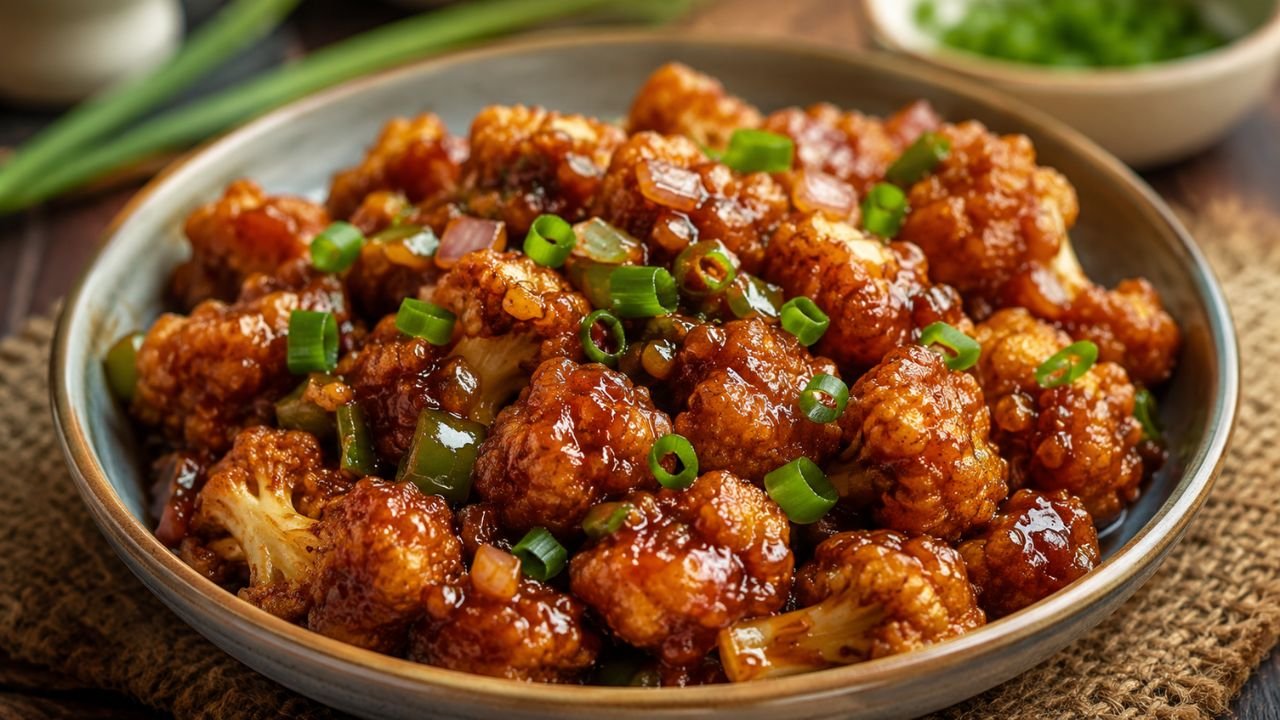
Crispy Gobi Manchurian is one of those dishes that instantly turns a simple meal into something exciting. With its crunchy fried cauliflower, glossy spicy sauce, and bold Indo-Chinese flavor, it has become a favorite in homes, street food stalls, and restaurants alike. The best part is that when you make it fresh at home, it can taste even better than takeout. You get to control the texture, the heat, the amount of sauce, and the quality of ingredients, which makes a huge difference in the final result.
This version focuses on everything people love about restaurant-style Gobi Manchurian: a crisp exterior, tender cauliflower inside, and a deeply savory sauce balanced with garlic, ginger, soy sauce, ketchup, and green chilies. It is the kind of recipe that works as a snack, appetizer, or side dish with fried rice, hakka noodles, or even simple vegetable rice. While it may seem like a complicated recipe at first, each step is easy when broken down properly. The secret is in preparing the cauliflower correctly, coating it evenly, frying at the right temperature, and finishing the sauce just long enough to cling to every floret without making it soggy.
If you have ever been disappointed by greasy, limp, or overly saucy takeaway Gobi Manchurian, this recipe solves those problems. It gives you a crispy result that holds up well and delivers the vibrant flavors that make this dish so addictive. Whether you are cooking for family, serving guests, or simply craving a satisfying homemade snack, this crispy Gobi Manchurian recipe deserves a place in your regular meal rotation.
Recipe Information
This crispy Gobi Manchurian recipe makes a flavorful Indo-Chinese dish with crunchy cauliflower tossed in a spicy, tangy, and savory sauce. It is ideal as an appetizer for four people or as a side dish for a larger meal.
- Preparation Time: 25 minutes
- Cooking Time: 25 minutes
- Total Time: 50 minutes
- Recipe Yield: 4 servings
- Recipe Category: Appetizer
- Recipe Cuisine: Indo-Chinese
To get the best texture, serve the dish immediately after tossing the fried cauliflower in the sauce. If you want an extra-crispy version, you can serve the sauce on the side and dip the florets just before eating. This recipe is written for a dry-style Gobi Manchurian, which means the sauce coats the cauliflower rather than pooling on the plate. That makes it especially good for serving as a starter or party snack.
Ingredients
Using the right ingredients is the key to achieving the balance of crunch and flavor that makes this dish so popular. Fresh cauliflower and a well-seasoned batter create the foundation, while garlic, ginger, soy sauce, and green chilies build the signature Manchurian taste.
- 1 medium cauliflower, cut into medium florets
- 3/4 cup all-purpose flour
- 1/4 cup cornstarch
- 1 teaspoon ginger-garlic paste
- 1/2 teaspoon black pepper
- 1/2 teaspoon red chili powder
- 1/2 teaspoon soy sauce
- Salt to taste
- About 3/4 cup water, or as needed for batter
- Oil for deep frying
For the Manchurian sauce:
- 2 tablespoons oil
- 1 tablespoon finely chopped ginger
- 1 tablespoon finely chopped garlic
- 2 green chilies, finely chopped
- 1/4 cup finely chopped spring onion whites
- 1/4 cup finely chopped capsicum
- 1 tablespoon soy sauce
- 1 tablespoon tomato ketchup
- 1 teaspoon red chili sauce
- 1 teaspoon vinegar
- 1 teaspoon sugar
- 1/2 teaspoon black pepper
- Salt to taste
- 1 teaspoon cornstarch mixed with 2 tablespoons water
- 2 tablespoons chopped spring onion greens for garnish
The combination of all-purpose flour and cornstarch is important. Flour gives the coating body, while cornstarch adds crunch. The batter should not be too thin, or the coating will slide off during frying. It should also not be too thick, or the cauliflower will feel heavy and doughy. Freshly chopped aromatics are especially important here, because they provide the bold restaurant-style flavor that powdered seasonings can never fully replace.
Preparation
Start by washing the cauliflower well and cutting it into evenly sized florets. Try to avoid pieces that are too large, because they may not cook through properly, and avoid pieces that are too tiny, because they can become overly crisp and break apart. Bring a pot of water to a boil, add a little salt, and blanch the cauliflower for 2 to 3 minutes. This step helps remove any hidden impurities and gives the florets a head start in cooking. Drain them immediately and spread them out so excess moisture evaporates. The cauliflower should be dry before it goes into the batter.
In a large mixing bowl, combine the all-purpose flour, cornstarch, ginger-garlic paste, black pepper, red chili powder, soy sauce, and salt. Add water gradually while whisking to make a smooth batter. The consistency should be thick enough to coat the back of a spoon and cling to the cauliflower without dripping too much. Add the blanched florets and toss gently until each piece is evenly coated.
Heat oil in a deep pan over medium heat. Once the oil is hot, carefully drop in the battered cauliflower florets a few at a time. Do not overcrowd the pan, because that lowers the oil temperature and makes the coating absorb more oil. Fry until the florets are golden and crisp, then remove them with a slotted spoon and place them on a plate. For even better crunch, let them rest for a couple of minutes and fry them a second time for 30 to 45 seconds. Double frying creates the kind of crisp shell that stays intact even after being tossed with sauce.
Now make the sauce. Heat 2 tablespoons oil in a wide pan or wok over medium-high heat. Add the chopped ginger, garlic, and green chilies. Sauté for about 30 seconds until fragrant, but do not let the garlic burn. Add the spring onion whites and chopped capsicum, then stir-fry for another minute. The vegetables should soften slightly while still keeping some bite. This quick cooking keeps the sauce fresh and lively.
Add the soy sauce, tomato ketchup, red chili sauce, vinegar, sugar, black pepper, and a little salt. Stir everything together. Be careful with the salt because soy sauce already adds salinity. Let the sauce bubble for a minute so the flavors combine. Then add the cornstarch slurry and stir continuously. The sauce will thicken quickly and become glossy. Since this is a dry-style Gobi Manchurian, you only want enough sauce to lightly coat the cauliflower rather than turn it into a gravy.
Add the fried cauliflower to the pan and toss rapidly so each floret is covered with the sauce. This step should be quick. The longer the cauliflower sits in the pan, the more its crisp coating softens. Turn off the heat as soon as the sauce clings nicely to the florets. Sprinkle chopped spring onion greens over the top and serve immediately.
If you want to present the dish like a restaurant appetizer, transfer it to a wide plate and garnish with a few extra spring onion greens and thin slices of green chili. Pair it with vegetable fried rice, noodles, chili paneer, or a simple bowl of hot soup. It is also delicious served on its own with a squeeze of lemon for a sharper finish.
Tips
The biggest difference between average and outstanding Gobi Manchurian comes down to technique. A few small choices can completely change the texture and flavor of the dish. First, dry the blanched cauliflower well before coating it. Excess moisture thins the batter and creates splattering during frying. Second, always fry in batches. Overcrowding traps steam and prevents crispness. The cauliflower should fry in hot oil, not stew in it.
Double frying is one of the best tips for restaurant-style results. The first fry cooks the batter and cauliflower; the second fry strengthens the crust and creates extra crunch. This is especially useful if you plan to hold the florets for a few minutes before tossing them in sauce. Another helpful tip is to keep the sauce ready before the final toss. Once the cauliflower is fried, you want to move quickly so it stays crisp.
Use a wide pan or wok for the sauce. A larger cooking surface helps the sauce reduce properly and makes it easier to toss the florets without breaking them. Keep the flame fairly high during sauce preparation so the aromatics and vegetables cook fast instead of becoming soggy. Also remember that the sauce should be thick and clingy, not watery. Too much liquid is the fastest way to lose the crispy coating you worked hard to create.
If you prefer a spicier version, increase the green chilies or add more red chili sauce. For a milder version, reduce the chili and increase the ketchup slightly for a sweeter balance. Taste the sauce before adding the cauliflower, because once the florets go in, adjustments become harder. A final tip is to serve immediately. Gobi Manchurian is at its absolute best right after cooking, when the contrast between the crisp crust and the glossy sauce is still sharp and fresh.
Variations
One of the reasons Gobi Manchurian is so popular is that it can be adapted in many ways without losing its identity. The most common variation is the gravy version. To make that style, simply increase the amount of sauce by adding a little water or vegetable stock before the cornstarch slurry. The result is a saucier dish that pairs beautifully with steamed rice or hakka noodles. The flavor stays the same, but the texture becomes softer and more spoonable.
You can also make a healthier version by air frying or baking the cauliflower instead of deep frying. To do that, prepare the batter slightly thicker, coat the florets, and arrange them in a single layer. Spray lightly with oil and cook until crisp, turning once if needed. The result will be less rich than the deep-fried version, but still delicious and much lighter. This is a great option for weeknight cooking.
Another variation is to add onions and bell peppers in larger chunks for more of a stir-fry feel. Some people also like to include a little chili paste for extra heat, or a touch of honey instead of sugar for a different style of sweetness. If you enjoy more umami depth, a small amount of chili garlic sauce can make the dish even more intense and satisfying.
The same Manchurian method works well with other vegetables too. Mushrooms, baby corn, paneer, and even broccoli can be cooked with a similar batter and sauce. That means once you master this recipe, you can build several Indo-Chinese dishes from the same core technique. For parties, you can fry the cauliflower in advance and keep the sauce ready separately, then toss everything together right before serving. That way you keep the texture fresh while making entertaining easier.
If you want a more street-style version, add a little extra chopped garlic and green chili at the very end. This creates a sharper, more aggressive flavor that many people associate with food stall cooking. For a family-friendly version, keep the chili moderate and let the ketchup and vinegar carry the balance. Either way, the recipe remains flexible while still delivering the signature taste people expect from Gobi Manchurian.
Conclusion
Crispy Gobi Manchurian is a dish that proves homemade food can easily rival and even surpass restaurant takeout. When prepared carefully, the cauliflower turns golden, crunchy, and light rather than oily. The sauce becomes bold, glossy, and balanced, coating every bite with garlicky, tangy, spicy flavor. Because you control each stage, from blanching to batter thickness to final tossing, you end up with a fresher and more satisfying version than most boxed deliveries can offer.
This recipe is ideal for anyone who loves Indo-Chinese flavors and wants dependable results at home. It is impressive enough for guests, fun enough for family dinners, and flavorful enough to satisfy serious takeout cravings. Once you try it, you will see that the secrets are simple: dry cauliflower, a good batter, hot oil, a quick sauce, and fast tossing at the end. Follow those principles, and you will have a crispy Gobi Manchurian recipe that truly tastes better than takeout.
Serve it hot, enjoy it immediately, and do not be surprised if it disappears faster than anything else on the table. This is one of those recipes people request again and again, and for good reason. It is crunchy, saucy, spicy, and deeply comforting all at once.