
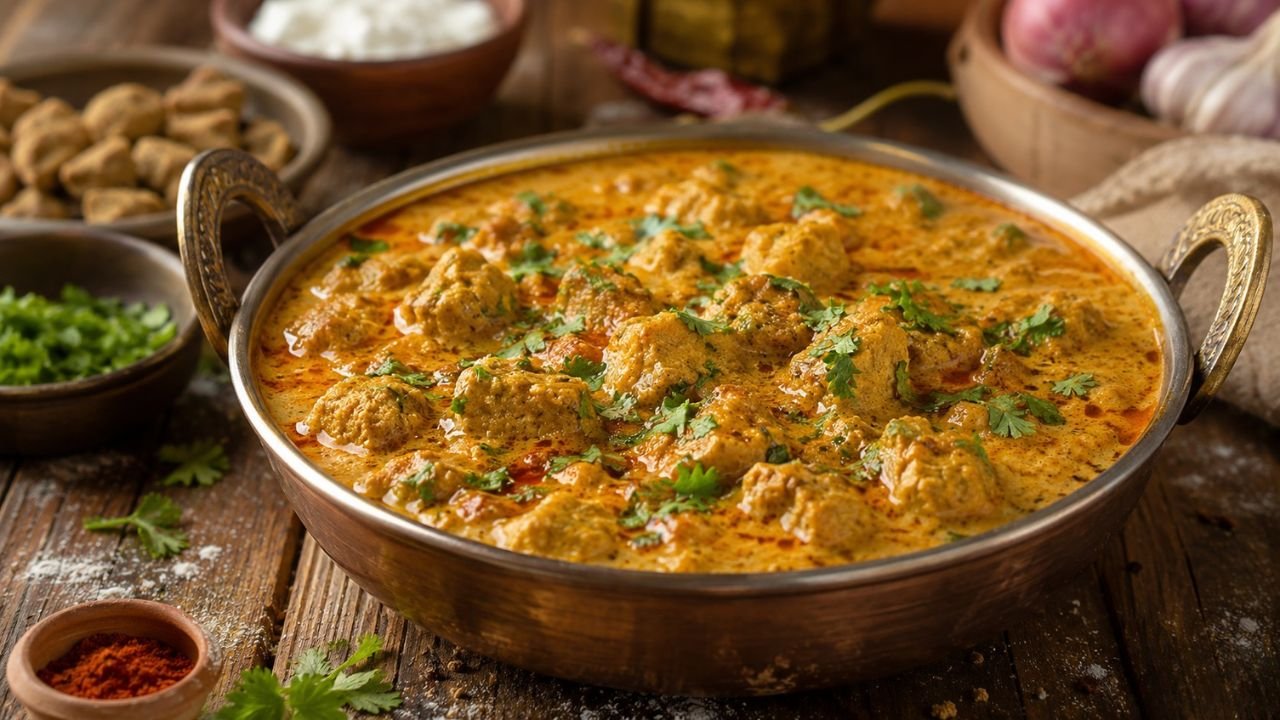
Rajasthani cuisine has always been celebrated for its bold flavors, rustic ingredients, and deeply satisfying comfort dishes. Among the hidden gems of this vibrant culinary tradition, Rabodi Ki Sabzi holds a very special place. When food lover Anshul Kamboj shared his admiration for this soulful delicacy, it reminded many people why traditional village-style recipes continue to win hearts even in modern kitchens. Prepared using dried gram flour nuggets known as rabodi, this dish is a masterpiece of texture, spice, and authentic desert-region cooking.
Rabodi Ki Sabzi is more than just a curry. It is a reflection of Rajasthan’s ingenious culinary heritage where limited water and scarce fresh vegetables inspired cooks to create magical dishes from preserved ingredients. The sabzi offers a rich, tangy, and spicy flavor profile that pairs beautifully with bajra roti, chapati, or steamed rice. Every bite delivers warmth, depth, and a comforting homemade touch that instantly transports you to a traditional Rajasthani household.
The beauty of this recipe lies in its simplicity. The ingredients are humble, yet the final dish tastes luxurious and layered with flavor. Yogurt creates a creamy base while spices such as red chili, coriander, cumin, and turmeric infuse the curry with irresistible aroma. Rabodi absorbs all the flavors while maintaining its unique chewy texture, making every spoonful delightfully satisfying.
If you love exploring regional Indian recipes that are deeply rooted in culture and packed with flavor, this Rajasthani Rabodi Ki Sabzi deserves a permanent place in your kitchen. Whether you prepare it for a family lunch, festive gathering, or comforting dinner, this dish promises authentic taste and unforgettable character.
Recipe Information
This traditional Rajasthani Rabodi Ki Sabzi recipe is ideal for anyone who enjoys spicy and comforting Indian curries. The dish combines dried gram flour rabodi with a yogurt-based gravy enriched with aromatic spices. It is easy to prepare, highly flavorful, and perfect for everyday meals as well as special occasions.
- Preparation Time: 20 minutes
- Cooking Time: 35 minutes
- Total Time: 55 minutes
- Recipe Category: Main Course
- Cuisine: Rajasthani Indian
- Servings: 4 servings
- Difficulty Level: Moderate
- Best Served With: Bajra roti, phulka, paratha, or steamed rice
The curry develops a beautiful balance of spicy, tangy, and earthy flavors. Unlike many rich curries, this dish relies on pantry staples and traditional techniques instead of cream or heavy gravies. The result is an authentic recipe that feels both rustic and elegant.
Ingredients
Choosing quality ingredients is essential for achieving the authentic taste of Rabodi Ki Sabzi. The rabodi itself is the hero ingredient, while yogurt and spices create the rich flavor base that defines this classic Rajasthani preparation.
- 2 cups rabodi
- 2 cups fresh yogurt
- 2 medium onions finely chopped
- 2 tomatoes finely chopped
- 2 green chilies finely chopped
- 1 tablespoon ginger garlic paste
- 3 tablespoons mustard oil or ghee
- 1 teaspoon cumin seeds
- 1 pinch asafoetida
- 1 teaspoon turmeric powder
- 2 teaspoons red chili powder
- 2 teaspoons coriander powder
- 1 teaspoon roasted cumin powder
- 1 teaspoon garam masala
- 1 teaspoon kasuri methi
- Salt according to taste
- 4 cups warm water
- Fresh coriander leaves for garnish
Rabodi is usually available in Indian grocery stores specializing in Rajasthani products. It is made from gram flour and dried naturally, giving it a distinctive texture and long shelf life. Yogurt should be fresh and slightly sour for the most authentic flavor.
Mustard oil enhances the earthy depth of the curry and gives it a traditional rustic aroma. However, ghee can also be used for a richer taste and smoother finish.
Preparation
Begin by preparing the rabodi properly. Place the rabodi in warm water for about 15 minutes so it softens slightly. This step helps the pieces cook evenly while absorbing the flavors of the curry. Drain the water and keep the softened rabodi aside.
Whisk the yogurt thoroughly in a large bowl until smooth and lump free. Add turmeric powder, coriander powder, roasted cumin powder, red chili powder, and a little salt into the yogurt. Mixing the spices directly into the yogurt helps create a silky gravy and prevents curdling during cooking.
Heat mustard oil or ghee in a deep pan over medium flame. Once the oil becomes hot, add cumin seeds and allow them to crackle. Add a pinch of asafoetida for additional depth and aroma.
Now add finely chopped onions and sauté patiently until they turn golden brown. This stage is extremely important because properly caramelized onions provide sweetness and richness to the curry. Add green chilies and ginger garlic paste, then cook until the raw smell disappears.
Add chopped tomatoes and cook until they soften completely and release oil from the sides. The masala should become thick and aromatic. This process may take around 8 to 10 minutes but it develops the foundational flavor of the dish.
Reduce the heat to low and slowly add the whisked yogurt mixture while stirring continuously. This prevents the yogurt from splitting and ensures a creamy consistency. Cook gently for several minutes until the gravy starts bubbling lightly.
Add the softened rabodi into the gravy and mix carefully so every piece is coated with spices and yogurt. Pour warm water gradually to achieve your preferred consistency. Rabodi absorbs liquid while cooking, so slightly thinner gravy works best initially.
Cover the pan and let the sabzi simmer on low heat for 15 to 20 minutes. During this time, the rabodi absorbs the tangy yogurt flavors and becomes deliciously tender while retaining a pleasant bite.
Sprinkle garam masala and crushed kasuri methi over the curry toward the end of cooking. Stir gently and allow the flavors to blend for another 2 minutes.
Turn off the heat and garnish generously with freshly chopped coriander leaves. Allow the curry to rest for a few minutes before serving. Resting enhances the texture and allows the spices to settle beautifully into the gravy.
Serve hot with bajra roti for a truly authentic Rajasthani dining experience. The earthy flavor of millet bread complements the spicy tanginess of the curry perfectly. You can also pair it with plain rice, jeera rice, or soft phulkas for a comforting meal.
The dish tastes even better after a few hours because the rabodi continues absorbing the spices and yogurt gravy. Many traditional cooks believe Rabodi Ki Sabzi tastes best the next day.
Tips
Always whisk yogurt thoroughly before adding it to the pan. Smooth yogurt creates a creamy gravy and minimizes the risk of curdling during cooking.
Cook the onion and tomato masala patiently. Rushing this stage can result in a raw or flat flavor. Slow cooking develops the deep richness that makes this curry exceptional.
Use warm water instead of cold water while simmering the curry. Warm water helps maintain consistent cooking temperature and improves texture.
Do not overcook the rabodi. It should remain slightly chewy rather than becoming completely soft and mushy. The ideal texture adds character and authenticity to the dish.
Mustard oil provides traditional flavor, but it should be heated properly before cooking to reduce its pungency. Once heated well, it adds beautiful depth and smokiness.
If the yogurt appears too sour, balance the flavors with a pinch of sugar. This subtle adjustment creates a smoother overall taste without making the dish sweet.
For richer flavor, finish the curry with a spoonful of ghee before serving. This final touch adds luxurious aroma and enhances the traditional appeal.
Kasuri methi should always be crushed between your palms before adding. Crushing releases essential oils and intensifies the fragrance.
The consistency of the curry can be adjusted according to preference. Some households prefer thick gravy while others enjoy a thinner version served with rice.
Fresh coriander garnish should be added just before serving to maintain freshness and vibrant color.
Variations
One of the most exciting aspects of Rabodi Ki Sabzi is its adaptability. Different regions and families across Rajasthan prepare it in unique ways, each version carrying distinct flavors and textures.
A popular variation includes potatoes. Small cubes of boiled potato are added to the gravy along with rabodi, creating a heartier and more filling curry. Potatoes absorb the spicy yogurt gravy beautifully and provide comforting softness.
Another delicious variation uses garlic generously. Extra garlic cloves are sautéed in ghee and poured over the finished curry as tempering. This smoky garlic flavor adds boldness and richness.
Some cooks prefer making the curry extremely spicy using Mathania red chilies, famous in Rajasthan for their vibrant color and balanced heat. This version pairs wonderfully with plain millet rotis.
For a creamier texture, a spoonful of fresh cream can be added at the end of cooking. Although not entirely traditional, it gives the dish a luxurious restaurant-style finish.
You can also prepare a dry version of Rabodi Ki Sabzi with minimal gravy. In this method, the rabodi is coated with thick masala instead of simmered in a curry base. This variation works beautifully as a side dish alongside dal and roti.
A village-style preparation sometimes includes buttermilk instead of yogurt. Buttermilk creates a lighter and slightly tangier flavor while maintaining the dish’s authentic rustic character.
Some families add fenugreek leaves or spinach for extra nutrition and color. The greens blend surprisingly well with the spicy yogurt gravy and create a more wholesome meal.
Modern cooks occasionally add paneer cubes for additional richness and protein. While this is not a traditional adaptation, it transforms the dish into a festive main course suitable for dinner parties.
You can also experiment with smoked flavor by placing a small charcoal piece in a bowl inside the curry and drizzling ghee over it before covering the pot briefly. This traditional dhungar technique infuses incredible aroma into the dish.
Conclusion
Rajasthani Rabodi Ki Sabzi is a beautiful example of how simple ingredients can create unforgettable flavors when prepared with care and tradition. From its tangy yogurt gravy to its distinctive chewy rabodi texture, every element of this dish reflects the rich culinary wisdom of Rajasthan.
The recipe is deeply comforting yet excitingly bold, making it ideal for both traditional Indian food lovers and adventurous home cooks eager to explore regional cuisine. Its balance of spice, earthiness, and creamy tang creates a satisfying meal that feels authentic and soulful.
Anshul Kamboj’s love for this classic dish highlights why traditional recipes continue to remain timeless despite changing food trends. Rabodi Ki Sabzi is not merely food; it is culture, heritage, and comfort served in a bowl.
Whether you prepare it for a quiet family dinner or a festive gathering, this dish is guaranteed to impress with its unique flavor and rustic elegance. Pair it with warm rotis, fragrant rice, or crispy papad, and you will experience the true magic of Rajasthani home cooking.
Once you taste this flavorful curry, it quickly becomes one of those cherished recipes you return to repeatedly. Rich in tradition, deeply aromatic, and wonderfully satisfying, Rabodi Ki Sabzi truly deserves a place among India’s most beloved regional delicacies.