
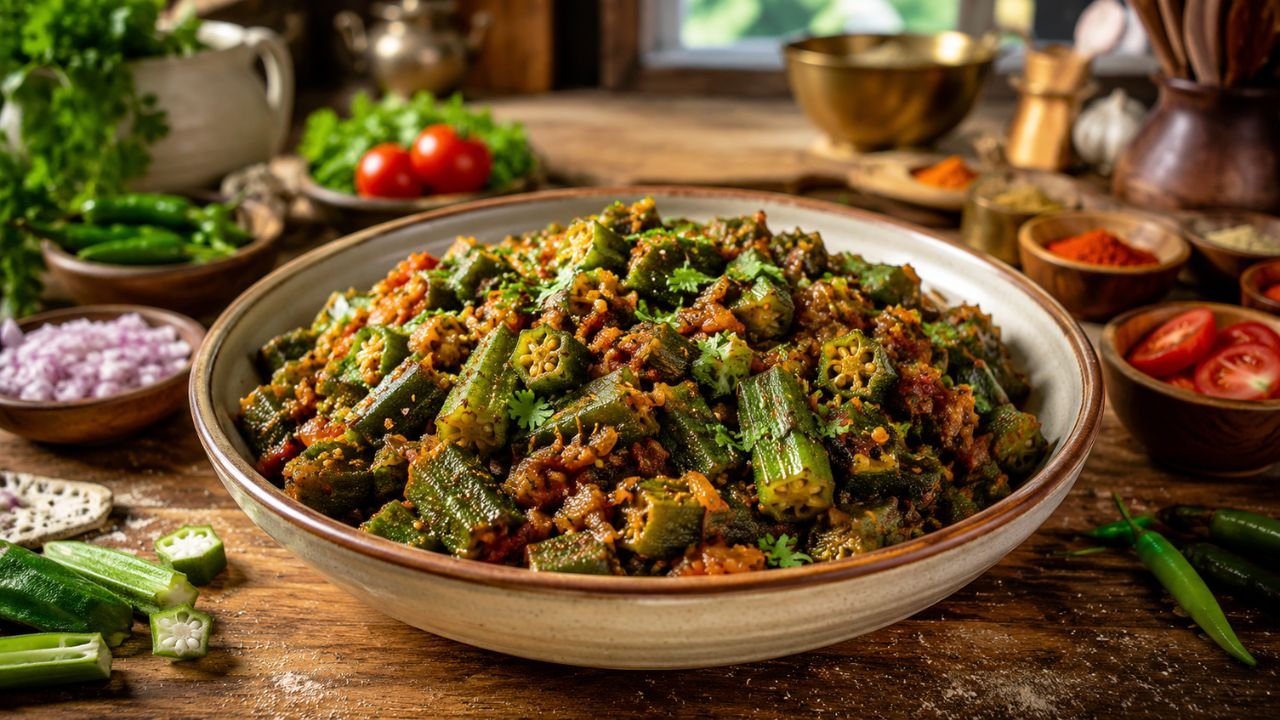
When it comes to Bollywood celebrities and their diet choices, we often picture exotic salads, imported superfoods, and strict, complex meal plans. However, some of the most enduring fitness icons in the industry swear by simple, traditional, home-cooked Indian meals. Saif Ali Khan, the Nawab of Bollywood, is a prime example of this philosophy. Known for his sophisticated taste in culinary arts and his timeless fitness, Saif Ali Khan loves this healthy bhindi sabji packed with amazing flavor. This humble okra dish is a staple in his household, proving that you do not need to compromise on taste to maintain a clean, nutritious lifestyle.
Bhindi, or lady finger, is a vegetable that polarizes many, but when cooked with the right balance of spices and techniques, it transforms into an absolute masterpiece. Saif Ali Khan’s preference for this specific preparation lies in its minimalism and nutritional density. It avoids the heavy, deep-fried nature of traditional restaurant-style bhindi, focusing instead on dry-roasting and subtle tempering that brings out the natural sweetness of the vegetable. This article explores the rich history of this dish, its profound health benefits, a step-by-step cooking guide, and expert culinary tips to help you replicate this celebrity-approved dish perfectly in your own kitchen.
Recipe Information
- Preparation Time: 15 minutes (primarily washing, thoroughly drying, and slicing the okra)
- Cooking Time: 15 minutes (cooking over medium heat to achieve a perfect, non-sticky texture)
- Total Time: 30 minutes
- Recipe Yield: 4 generous servings
- Difficulty Level: Easy
- Course: Side Dish / Light Main Course
- Cuisine: Indian
- Key Health Highlights: Low in calories, rich in dietary fiber, high in vitamin C, and completely gluten-free
Ingredients
To recreate Saif Ali Khan’s favorite healthy bhindi sabji, you will need fresh, high-quality ingredients. The key to this dish is simplicity; the spices are meant to complement the okra, not overpower it. Ensure your spices are fresh to maximize the aromatic profile of the final dish.
- 500 grams fresh okra (bhindi), washed, completely dried, and sliced into half-inch rounds
- 1.5 tablespoons cold-pressed mustard oil (or olive oil for a lighter profile)
- 1 teaspoon cumin seeds (jeera)
- 1/2 teaspoon carom seeds (ajwain), crucial for digestion and flavor
- 1 large onion, finely sliced longitudinally
- 2 green chilies, slit lengthwise (adjust to taste)
- 1/2 teaspoon turmeric powder (haldi)
- 1 teaspoon coriander powder (dhaniya powder)
- 1/2 teaspoon dry mango powder (amchur), for a subtle, refreshing tanginess
- 1/2 teaspoon Kashmiri red chili powder, for a mild warmth and rich color
- Salt to taste (preferably pink Himalayan salt for added minerals)
- A handful of fresh coriander leaves, finely chopped for garnishing
Preparation
Achieving the perfect texture with okra requires a structured approach. The primary challenge most home cooks face when dealing with bhindi is its inherent sliminess. By following these meticulously detailed steps, you can eliminate the moisture and create a crisp, flavorful sabji just the way Saif Ali Khan prefers it.
The first and most critical step is the washing and drying process. Wash the okra thoroughly under cold running water to remove any dirt or debris. Once washed, spread the okra pieces on a large, clean kitchen towel. Pat them completely dry. Any residual moisture on the surface of the okra before cutting will react with the heat and create a sticky, slimy texture during cooking. Allow them to air-dry for at least 10 minutes if time permits. Once completely dry, trim both ends of each okra pod and slice them into uniform half-inch rounds.
Next, prepare your cooking vessel. Take a heavy-bottomed pan or a traditional iron kadhai. The use of an iron kadhai is highly recommended as it distributes heat evenly and infuses the dish with subtle iron traces, enhancing its health profile. Heat the mustard oil over medium heat. If you are using authentic mustard oil, heat it until it reaches its smoking point to eliminate its raw, pungent aroma, then lower the heat slightly to let it cool down to a workable cooking temperature.
Once the oil is optimally hot, add the cumin seeds and carom seeds. Let them sizzle and splutter for about 10 to 15 seconds until they release their earthy fragrance into the oil base. The addition of carom seeds is a secret twist that not only aids in digesting the fibrous okra but also adds a distinct, sharp flavor note that pairs beautifully with onion.
Immediately add the finely sliced onions and slit green chilies to the pan. Sauté the mixture on medium heat for about 3 to 4 minutes. You are looking for the onions to become translucent and slightly soft; do not let them turn dark brown or caramelized, as overly sweet onions can overpower the delicate taste of the bhindi.
Now, add the sliced okra directly into the pan. Stir gently to coat the okra pieces uniformly with the tempered oil, onions, and seeds. Turn the heat up to a medium-high setting. Cook the okra uncovered for the first 5 to 6 minutes. Stirring occasionally but gently is key here; frequent, aggressive stirring can break the okra pieces and release their internal seeds, resulting in a mushy texture.
At this stage, you will notice a slight stringiness developing as the heat extracts internal moisture. Do not panic and, most importantly, do not cover the pan with a lid. Covering the pan traps steam, which condenses back into water, amplifying the sliminess. Let the moisture evaporate naturally in the open pan.
Once the initial sliminess subsides and the okra pieces start looking slightly shrunk and firm, reduce the heat to low-medium. Now it is time to introduce the dry spice powders. Sprinkle the turmeric powder, coriander powder, and Kashmiri red chili powder evenly over the mixture. Mix the spices very gently using a folding motion from the sides of the pan to prevent breaking the vegetable.
Continue to cook the sabji on low heat for another 5 minutes, stirring at regular intervals. The okra will absorb the flavors of the spices and develop a lovely, roasted exterior. Taste a piece to ensure it is tender yet retains a firm bite.
Just a minute before removing the pan from the stove, add the dry mango powder (amchur) and the salt. Adding salt at the very end is a vital culinary technique for cooking okra. Salt draws out moisture; if added early in the cooking process, it causes the bhindi to sweat profusely and become incredibly slimy. The dry mango powder provides an acidic contrast that instantly cuts through any remaining trace of stickiness and elevates the entire flavor profile.
Give the mixture one final, gentle toss to incorporate the salt and amchur powder uniformly. Turn off the heat. Transfer the healthy bhindi sabji into a serving bowl and garnish generously with freshly chopped coriander leaves. Your vibrant, aromatic, and incredibly nutritious celebrity-approved dish is ready to be served.
Tips
Mastering the art of cooking perfect okra involves understanding its chemical properties. The sliminess is caused by mucilage, a soluble fiber that expands when it comes into contact with water. To ensure your bhindi sabji turns out flawlessly crisp and flavorful every single time, keep these expert tips in mind.
Always choose small to medium-sized okra pods. Smaller pods are tender, possess fewer seeds, and cook rapidly. Avoid exceptionally large, hard, or woody okra pods, as they are overly fibrous, difficult to chew, and lack flavor. You can test the freshness by gently snapping the tip of the okra; if it snaps off effortlessly, it is fresh and perfect for cooking.
As emphasized in the preparation steps, moisture is the ultimate enemy of a good bhindi sabji. If you are pressed for time and cannot wait for the okra to air-dry completely after washing, wipe each pod individually with a dry paper towel before slicing. Additionally, make sure your cutting board and knife are completely dry before you begin slicing.
The choice of cookware plays an indispensable role. A wide, shallow, heavy-bottomed pan or cast-iron skillet works significantly better than a deep, narrow pot. A wider surface area allows the okra pieces to spread out in a single layer, ensuring that moisture evaporates instantly instead of pooling at the bottom and steaming the vegetables.
Introducing an acidic element is an excellent insurance policy against stickiness. If you find your okra is remaining stubborn and sticky during the mid-stages of cooking, you can squeeze half a teaspoon of fresh lemon juice or add a few drops of white vinegar into the pan. The acid breaks down the mucilage strings quickly without altering the core flavor profile negatively.
Variations
While Saif Ali Khan prefers this clean, minimalist version of bhindi sabji, this versatile vegetable can be adapted in various ways to suit different culinary preferences and dietary requirements. Here are a few healthy variations you can experiment with to keep your clean-eating routine exciting.
The first variation is Bhindi Do Pyaza. This version uses a double quantity of onions cut into two different shapes—finely chopped onions for the base tempering and large, layered onion petals added toward the end of the cooking process. The larger onion pieces get slightly charred and caramelized, offering a wonderful crunchy texture and sweetness that contrasts perfectly with the spices.
Another popular health-conscious twist is the addition of roasted chickpea flour, known as Besan Bhindi. To prepare this, dry-roast two tablespoons of besan in a separate pan until it smells nutty, then sprinkle it over the okra along with the dry spices. The chickpea flour absorbs any lingering moisture completely and coats the okra pieces, creating a delightfully nutty, crispy crust that mimics the texture of deep-fried bhindi without the added calories.
For a coastal Indian twist, you can introduce freshly grated coconut to the recipe. Once the bhindi is fully cooked and the heat is turned off, simply fold in two tablespoons of fresh, unsweetened grated coconut and a few torn curry leaves. This addition infuses the dish with a mild sweetness and healthy medium-chain triglyceride fats, making it exceptionally fragrant and soothing to the palate.
If you prefer a fusion approach, you can toss in some diced firm tofu or paneer cubes along with the okra. This elevates the protein content of the meal significantly, transforming a simple vegetable side dish into a balanced, muscle-building main course suitable for fitness enthusiasts.
Conclusion
Saif Ali Khan’s favorite healthy bhindi sabji is a profound reminder that luxury and health coexist in simplicity. By using fresh produce, minimal oil, and thoughtful cooking techniques, this recipe turns a simple everyday vegetable into a nutritional powerhouse packed with incredible depth of flavor. Okra is exceptionally low in calories while being rich in dietary fiber, vitamin C, antioxidants, and folate, making it an ideal choice for weight management, digestive health, and cardiovascular wellness.
Incorporating this dish into your weekly meal rotation allows you to enjoy clean eating without feeling restricted or bored by bland food. It pairs magnificently with hot rotis, multigrain phulkas, or as an accompaniment to brown rice and dal. Try this recipe in your kitchen today to experience firsthand how simple ingredients, handled with care, can yield a meal fit for royalty.