
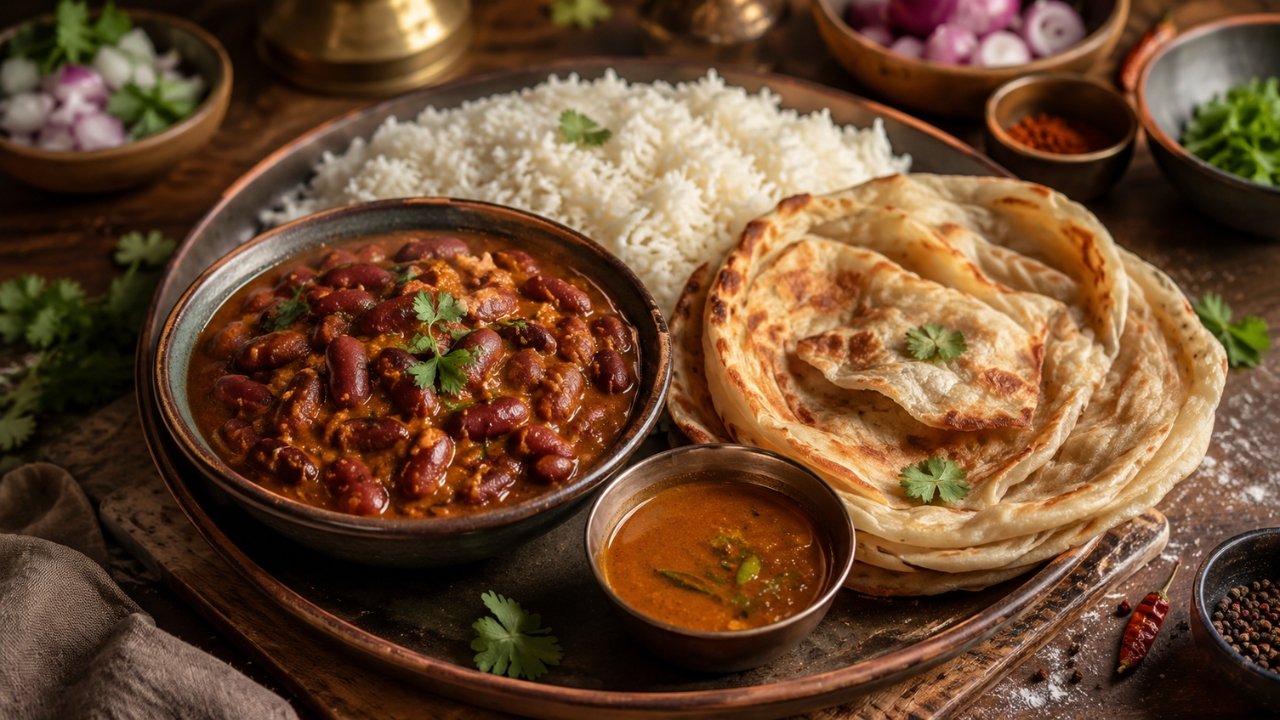
Rekha Gupta’s Rajma Chawal looks like the perfect comfort meal for anyone craving a hearty North Indian lunch today. The rich aroma of slow-cooked kidney beans blended with tomatoes, onions, and warming spices makes this dish impossible to ignore. Rajma Chawal has long been one of the most loved meals across Indian homes because it combines simplicity with deep flavors and satisfying textures. Served with fluffy steamed rice, this classic recipe is filling, nutritious, and ideal for family lunches, weekend dinners, or even festive gatherings.
The beauty of Rajma Chawal lies in its slow cooking process. The kidney beans absorb all the masala flavors while developing a creamy texture that pairs beautifully with rice. Rekha Gupta’s version appears especially tempting because of its thick gravy, vibrant color, and homestyle preparation. Unlike restaurant-style rajma that can sometimes feel too heavy, this recipe balances spices and richness perfectly, making it suitable for everyday meals.
Many people consider Rajma Chawal to be more than just food. It brings nostalgia, warmth, and comfort to the dining table. Whether served with sliced onions, green chilies, lemon wedges, or fresh coriander, this meal has a unique ability to satisfy cravings instantly. It is also a protein-rich vegetarian dish that provides both taste and nutrition in every bite.
If you want to recreate the same delicious experience at home, this detailed recipe will guide you through every step carefully. From soaking the kidney beans correctly to preparing the perfect masala base and achieving the ideal consistency, this recipe ensures flavorful Rajma Chawal every single time.
Recipe Information
Rajma Chawal is a traditional North Indian recipe made with red kidney beans cooked in a spicy onion-tomato gravy and served with steamed rice. This dish is popular in Punjabi households and is often enjoyed during lunch or dinner. The creamy texture of rajma combined with fragrant rice creates a wholesome and comforting meal.
- Preparation Time: 12 hours soaking + 20 minutes active preparation
- Cooking Time: 50 minutes
- Total Time: 1 hour 10 minutes active cooking time after soaking
- Recipe Yield: 4 servings
- Cuisine: North Indian
- Recipe Category: Main Course
The key to achieving restaurant-quality Rajma Chawal is patience. Proper soaking helps the kidney beans cook evenly and become soft and creamy. Slow simmering allows the spices to blend beautifully into the gravy, resulting in a rich and flavorful curry.
Ingredients
For the Rajma:
- 1 cup red kidney beans (rajma)
- 4 cups water for pressure cooking
- 2 tablespoons oil or ghee
- 1 large onion, finely chopped
- 2 medium tomatoes, pureed
- 1 tablespoon ginger-garlic paste
- 2 green chilies, chopped
- 1 teaspoon cumin seeds
- 1 bay leaf
- 1 black cardamom
- 1-inch cinnamon stick
- 2 cloves
- 1 teaspoon turmeric powder
- 1 teaspoon red chili powder
- 1 teaspoon coriander powder
- 1 teaspoon cumin powder
- 1 teaspoon garam masala
- Salt to taste
- 2 tablespoons fresh coriander leaves, chopped
- 1 tablespoon butter for finishing
For the Rice:
- 1 cup basmati rice
- 2 cups water
- 1 teaspoon salt
- 1 teaspoon ghee
Optional accompaniments:
- Sliced onions
- Lemon wedges
- Green chilies
- Fresh coriander leaves
- Pickle
Using high-quality kidney beans and aromatic basmati rice can significantly improve the final taste of the dish. Freshly ground spices also add depth and freshness to the gravy.
Preparation
Begin by washing the rajma thoroughly under running water. Remove any damaged beans or impurities. Soak the kidney beans overnight or for at least 10 to 12 hours in enough water. This step is essential because properly soaked beans cook faster and become soft and creamy.
After soaking, drain the water and rinse the beans again. Transfer them to a pressure cooker and add 4 cups of fresh water along with a little salt. Pressure cook the rajma for about 25 to 30 minutes or until the beans become soft enough to mash easily between your fingers. Different varieties of rajma may require slightly different cooking times.
While the beans are cooking, prepare the rice. Wash the basmati rice until the water runs clear. Soak it for about 20 minutes and then drain. Heat ghee in a pot, add the rice, and sauté gently for a minute. Add water and salt, bring to a boil, then reduce the heat and cover the pot. Cook until the rice becomes fluffy and fully done. Keep aside.
To prepare the masala for the rajma, heat oil or ghee in a heavy-bottomed pan. Add cumin seeds and allow them to crackle. Add bay leaf, cinnamon, cloves, and black cardamom. Sauté the whole spices for a few seconds until fragrant.
Add finely chopped onions and cook on medium heat until they become golden brown. Properly browned onions give the gravy a deep and rich flavor. Stir occasionally to avoid burning.
Next, add ginger-garlic paste and chopped green chilies. Sauté for about one minute until the raw aroma disappears. Add tomato puree and cook the mixture well until the oil starts separating from the masala.
Now add turmeric powder, red chili powder, coriander powder, cumin powder, and salt. Mix thoroughly and cook the masala on low heat for several minutes. This step allows the spices to blend perfectly and enhances the flavor of the curry.
Once the masala is cooked properly, add the boiled rajma along with the cooking water. Stir everything well and lightly mash a few beans using the back of a spoon. This helps create a naturally creamy texture without adding cream.
Allow the rajma curry to simmer on low heat for 20 to 25 minutes. Slow cooking is extremely important because it helps the beans absorb all the masala flavors while thickening the gravy naturally.
Add garam masala and butter toward the end of cooking. Stir gently and cook for another two minutes. Garnish with fresh coriander leaves.
Serve the hot rajma in bowls alongside steamed basmati rice. Pair it with sliced onions, lemon wedges, or green chilies for a complete and satisfying meal.
For an even richer taste, you can let the rajma rest for 15 minutes before serving. The flavors continue to deepen as the curry sits, making it taste even better.
If you prefer a smoky restaurant-style flavor, place a small piece of hot charcoal in a bowl inside the cooked rajma pot. Drizzle a few drops of ghee over the charcoal and immediately cover the pot for two minutes. This traditional dhungar method infuses a beautiful smoky aroma into the curry.
Rajma Chawal is often considered a weekend comfort meal because it requires slow preparation and patient cooking. However, the result is absolutely worth the effort. Every spoonful delivers warmth, spice, creaminess, and comfort all at once.
The combination of rajma and rice is also nutritionally balanced. Kidney beans provide protein, fiber, and iron, while rice supplies carbohydrates that make the meal filling and energizing. Together, they create a wholesome dish enjoyed across generations.
Tips
- Always soak rajma overnight to ensure even cooking and better digestion.
- Use fresh tomatoes for a naturally tangy and flavorful gravy.
- Cook onions until golden brown for deeper flavor.
- Slow simmering improves the taste and texture of the curry.
- Mash a few beans while simmering to create a creamy consistency.
- Add butter at the end for richness and shine.
- Do not rush the masala cooking process because raw spices can affect the taste.
- Use basmati rice for the best aroma and texture.
- If the gravy becomes too thick, add hot water while simmering.
- Fresh coriander adds brightness and freshness to the final dish.
Another important tip is to avoid overloading the curry with too many spices. Rajma tastes best when the natural creaminess of the beans remains the star of the dish. Balanced seasoning always produces a more authentic flavor.
Variations
There are several ways to customize Rajma Chawal according to personal taste and regional preferences. Some people prefer a thinner gravy while others enjoy a thick and creamy texture. Both versions can be delicious when prepared correctly.
Punjabi-style rajma is typically rich, thick, and heavily simmered. It often includes butter and cream for added richness. This version is perfect for special occasions or indulgent family meals.
For a healthier version, reduce the oil and butter while increasing the quantity of tomatoes and fresh herbs. The dish will still remain flavorful and satisfying.
You can also add finely chopped capsicum during the masala preparation for extra texture and mild sweetness. Some home cooks include grated carrots for subtle sweetness and added nutrition.
Black rajma or Jammu rajma varieties are also excellent alternatives. These beans are smaller, softer, and naturally creamier compared to regular red kidney beans. They produce a richer and more authentic flavor.
Brown rice can replace white rice if you prefer a higher-fiber meal. Jeera rice is another excellent pairing option because its mild cumin flavor complements the rajma beautifully.
Some people like adding cream at the end for a restaurant-style finish. However, traditional homestyle rajma often relies on slow cooking rather than cream for richness.
You can also make this recipe spicy by increasing green chilies and red chili powder. For a milder version, reduce the chili content and focus more on aromatic spices.
Leftover rajma tastes even better the next day because the flavors deepen overnight. It can be reheated gently and served fresh with hot rice.
Conclusion
Rekha Gupta’s Rajma Chawal truly looks too delicious to miss today. This timeless North Indian comfort food continues to win hearts because of its rich flavors, creamy texture, and satisfying simplicity. Whether enjoyed during a relaxed weekend lunch or a comforting family dinner, Rajma Chawal always delivers warmth and happiness.
The combination of slow-cooked kidney beans and fragrant rice creates a meal that feels both nourishing and indulgent. By following the right soaking, cooking, and simmering techniques, you can easily recreate restaurant-style Rajma Chawal in your own kitchen.
This recipe proves that simple ingredients can produce extraordinary flavors when prepared with patience and care. From the aroma of sizzling spices to the creamy consistency of the gravy, every step contributes to a deeply satisfying final dish.
Serve this delicious Rajma Chawal hot with onions, lemon wedges, and fresh coriander for the ultimate comfort meal experience. Once you try this recipe, it may quickly become one of your favorite homemade Indian dishes.