
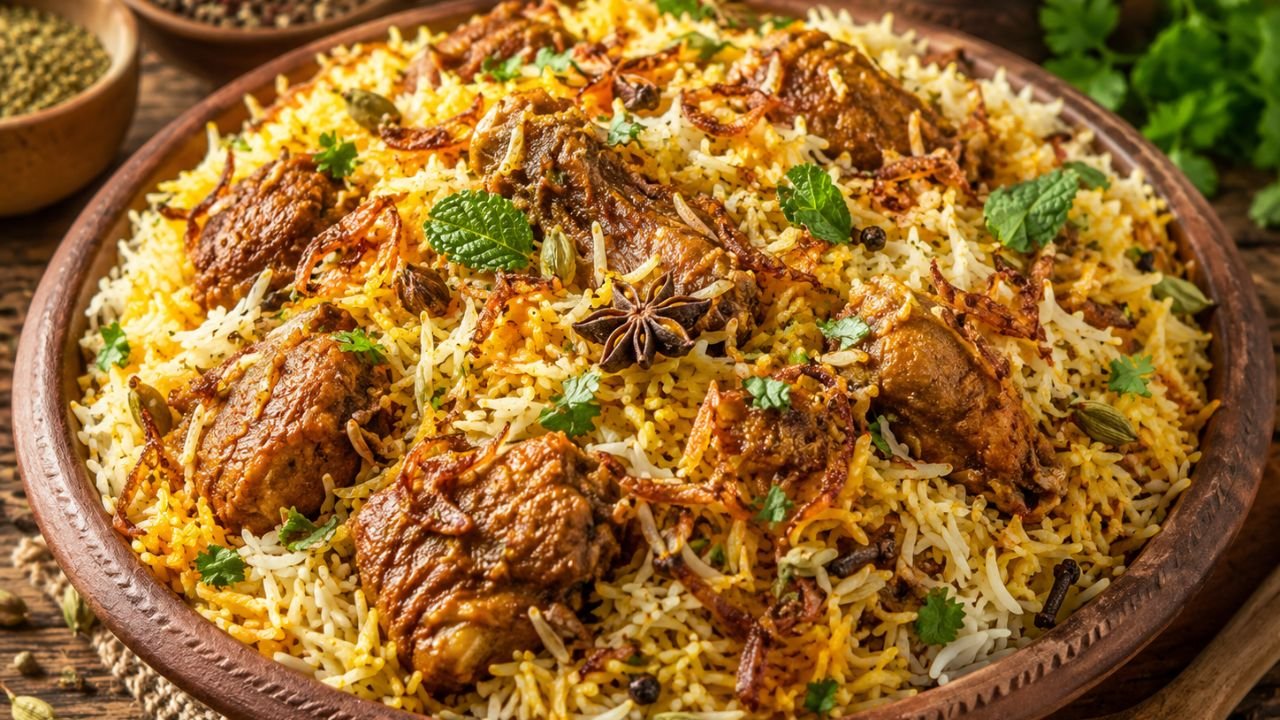
Abdullah Fazal loves this delicious biryani for all the right reasons: it is rich, aromatic, deeply satisfying, and full of perfectly layered spice that makes every bite memorable. Biryani is more than a rice dish. It is a complete experience built on fragrance, texture, and balance. The fluffy grains of basmati rice, the tender marinated chicken, the golden fried onions, the cooling yogurt, and the warming whole spices all come together to create a meal that feels festive yet comforting. This version is designed for home cooks who want restaurant-style flavor without making the process confusing or overly complicated.
The beauty of a great biryani lies in harmony. It should never be only hot, only oily, or only heavy. A successful biryani has heat from green chilies and chili powder, warmth from cinnamon and cloves, freshness from mint and coriander, richness from yogurt, and brightness from lemon. Most importantly, the rice and chicken must cook in a way that lets each element keep its identity while still blending into one flavorful final dish. That is what makes biryani such a beloved centerpiece at family meals, celebrations, and weekend gatherings.
This recipe focuses on a classic chicken biryani with a perfect spice profile that appeals to both devoted biryani lovers and those trying it for the first time. The method includes marinating the chicken, parboiling the rice, preparing a masala base, and finishing the dish on dum, the gentle steaming stage that transforms separate components into a layered masterpiece. Whether you are cooking for guests or simply treating yourself to an exceptional homemade meal, this biryani is a must-try dish for all food lovers.
Recipe Information
This chicken biryani recipe makes a generous family-style meal and is ideal for lunch, dinner, or special occasions. It delivers bold flavor without overwhelming the palate, which is why it is easy to understand why someone would call it a favorite. The spices are balanced rather than harsh, the chicken stays juicy, and the rice remains separate and aromatic. The recipe uses ingredients that are widely available, but the final flavor feels celebratory and luxurious.
Preparation Time: 30 minutes
Cooking Time: 60 minutes
Total Time: 90 minutes
Recipe Yield: 6 servings
Category: Main Course
Cuisine: South Asian, Indian-Pakistani style
Ingredients
- 750 g chicken, bone-in pieces preferred for deeper flavor
- 500 g basmati rice
- 2 large onions, thinly sliced
- 2 medium tomatoes, finely chopped
- 1 cup plain yogurt
- 2 tablespoons ginger-garlic paste
- 3 green chilies, slit
- 1/2 cup chopped fresh coriander leaves
- 1/2 cup chopped fresh mint leaves
- 2 tablespoons lemon juice
- 4 tablespoons cooking oil or ghee
- 1/2 teaspoon turmeric powder
- 1 1/2 teaspoons red chili powder
- 1 teaspoon cumin powder
- 1 teaspoon coriander powder
- 1/2 teaspoon garam masala powder
- Salt to taste
- 4 cups water for cooking rice, plus more for boiling
- 2 tablespoons warm milk
- A pinch of saffron or 1/4 teaspoon turmeric mixed in the milk for color
- 1 tablespoon ghee for final layering
- 1 bay leaf
- 1 black cardamom
- 4 green cardamom pods
- 4 cloves
- 1 small cinnamon stick
- 1 teaspoon cumin seeds
- 6 to 8 black peppercorns
For the biryani to taste truly special, use aged basmati rice if possible. It cooks into longer, more separate grains and absorbs the fragrance of the spices beautifully. Bone-in chicken also helps because it gives the masala extra body and flavor. Fresh herbs should not be skipped, as they bring the necessary brightness that keeps the dish from tasting too dense.
Preparation
Begin by washing the basmati rice in several changes of water until the water runs mostly clear. This removes excess starch and helps the grains remain fluffy instead of clumping together. Soak the rice for 20 to 30 minutes while you prepare the chicken and masala ingredients. This step improves texture and helps the rice cook more evenly.
In a large bowl, combine the chicken with yogurt, ginger-garlic paste, turmeric powder, red chili powder, cumin powder, coriander powder, garam masala, lemon juice, and salt. Add half of the chopped coriander and half of the mint. Mix thoroughly so that every piece is coated. Let the chicken marinate for at least 20 minutes. If you have extra time, marinating for 1 hour gives even better flavor, but the shorter version still works well.
Next, heat oil or ghee in a heavy-bottomed pot or deep pan. Add the sliced onions and fry them over medium heat until they turn golden brown and crisp around the edges. Stir regularly so they caramelize evenly rather than burn. Remove about one-third of the fried onions and set them aside for layering later. These onions add sweetness, aroma, and the signature biryani finish.
In the same pot, add the bay leaf, black cardamom, green cardamom, cloves, cinnamon stick, cumin seeds, and peppercorns. Let them sizzle for a few seconds until fragrant. This blooming stage releases the essential oils from the whole spices, creating the foundation of the biryani’s aroma. Then add the chopped tomatoes and cook until they soften and begin to break down into the oil-spice mixture.
Add the marinated chicken to the pot. Cook on medium-high heat for several minutes, stirring gently but thoroughly. The chicken will release moisture at first, and then the masala will begin to thicken as the yogurt cooks down. Add the slit green chilies and continue cooking until the chicken is about 70 to 80 percent done. You are looking for a rich, thick masala rather than a watery curry. If the mixture seems too wet, cook it a little longer so the moisture reduces. Stir in the remaining coriander and mint near the end for freshness.
While the chicken cooks, bring a large pot of water to a rolling boil. Add salt generously. The water should taste well-seasoned because this is your chance to flavor the rice properly. Add the soaked and drained basmati rice to the boiling water and cook until it is about 70 percent done. The grains should still have a slight bite in the center. This usually takes around 5 to 6 minutes, depending on the rice. Drain immediately so it does not overcook.
Now it is time to assemble the biryani. If your chicken masala is already in a heavy-bottomed pot suitable for dum cooking, keep it there. Spread the chicken masala evenly across the bottom. Layer the partially cooked rice over the chicken. Scatter the reserved fried onions, the saffron milk or colored milk, and 1 tablespoon ghee over the top. You can also add a few extra mint leaves if desired. The layering should look generous but not packed down tightly.
Cover the pot with a tight-fitting lid. If you want a stronger dum effect, seal the edge with dough or place a clean cloth under the lid to trap steam. Cook on very low heat for 20 to 25 minutes. You can place a flat pan or tawa under the pot to prevent the base from catching too quickly. During this stage, the steam finishes cooking the rice and allows all the flavors to mingle. Resist the urge to keep opening the pot, because that releases the trapped aroma and interrupts the steaming process.
Once the dum time is complete, turn off the heat and let the biryani rest for 10 minutes before opening. This resting period helps the flavors settle and allows the rice grains to firm up slightly so they stay intact when served. When you open the lid, you should smell layers of spice, herbs, and caramelized onion. Use a wide spoon to gently lift the rice from the side and serve without over-mixing. That way, each plate gets both masala-coated chicken and beautifully white-and-golden rice.
Serve the biryani hot with raita, onion salad, lemon wedges, or a simple cucumber yogurt side. The coolness of these accompaniments balances the warmth of the spices and completes the meal. Even on its own, however, this biryani is full-bodied enough to stand as the star of the table.
Tips
The most important tip for excellent biryani is not to overcook the rice before layering. If the rice is fully cooked before dum, it can become soft and sticky by the time the dish is finished. Aim for rice that is still slightly firm in the center. This small detail makes a dramatic difference in the final texture.
Another key point is moisture control. The chicken masala should be thick, not runny. Too much liquid in the masala can make the rice soggy and heavy. If your yogurt releases a lot of water while cooking, simply keep the pot on medium heat until the excess liquid evaporates and the oil begins to separate slightly from the masala.
Use a heavy-bottomed pot whenever possible. Thin pots can cause the bottom layer to burn before the dum stage is complete. If you are unsure about your cookware, place a tawa, skillet, or heat diffuser under the biryani pot. This softens direct heat and protects the lower layer.
Do not skip fried onions. They bring sweetness, depth, and authentic biryani character. They also create contrast against the sharper notes of chili, ginger, and whole spices. If you want to save time, you can fry the onions in advance and keep them ready.
Taste at multiple stages. Check the salt in the chicken masala and also ensure the rice water is properly seasoned. Because biryani is layered, under-seasoning at either stage can make the final dish taste flat, even if the spice blend is correct. Balanced seasoning is just as important as spice choice.
Fresh mint and coriander should be vibrant and not wilted. These herbs bring freshness that brightens the biryani and keeps the richness in check. Lemon juice also helps in this way, so use fresh lemon rather than bottled juice for the best finish.
Variations
This recipe can be adapted in several delicious ways while keeping the same spirit of fragrant, layered rice and perfectly spiced masala. If you prefer mutton biryani, replace the chicken with bone-in mutton and extend the cooking time of the meat until tender before layering. Mutton provides a deeper, richer flavor, though it requires more patience.
For a milder version, reduce the green chilies and red chili powder, then add a little more fried onion and yogurt. This creates a softer spice profile that is still full of flavor. On the other hand, if you enjoy stronger heat, increase the green chilies and add a pinch of black pepper powder to the masala for extra depth rather than using only more chili powder.
You can also prepare a vegetarian biryani using potatoes, carrots, beans, cauliflower, paneer, or mushrooms. The process remains similar: prepare a thick masala base, parboil the rice, and finish on dum. Paneer and mushrooms are particularly good options because they absorb spice well and offer satisfying texture.
Some cooks like to add rose water or kewra water during the final layering for a more festive fragrance. Use this sparingly, because a few drops are enough. Too much floral essence can overpower the savory spice notes. Toasted cashews and raisins may also be added for a richer celebratory variation.
If you want a slightly smokier finish, you can try a charcoal smoke method after cooking by placing a small bowl inside the pot, setting a hot piece of charcoal in it, adding a few drops of ghee, and covering the pot briefly. This should be done carefully, but it gives the biryani a dramatic aroma that some people love.
Conclusion
This delicious biryani truly deserves its reputation as a must-try dish for all food lovers. It combines the elegance of long, fragrant basmati rice with the satisfying richness of spiced chicken, fried onions, herbs, and warm whole spices. Every step, from marination to dum, contributes to the final character of the dish, and when done with care, the result is deeply rewarding.
What makes this recipe stand out is its balance. The spice is bold but not overwhelming, the rice is fluffy, the chicken is tender, and the aroma feels festive from the moment you lift the lid. It is easy to see why someone like Abdullah Fazal would love a biryani like this. It is comforting enough for a family meal, impressive enough for guests, and flavorful enough to leave a lasting memory.
If you have been searching for a biryani recipe with perfect spice and dependable results, this is one to keep in your kitchen rotation. Serve it with raita, salad, and a squeeze of lemon, and enjoy a dish that celebrates texture, aroma, and tradition in every spoonful. Once you master this version, it will become one of those recipes you return to again and again whenever you want to cook something truly special.