
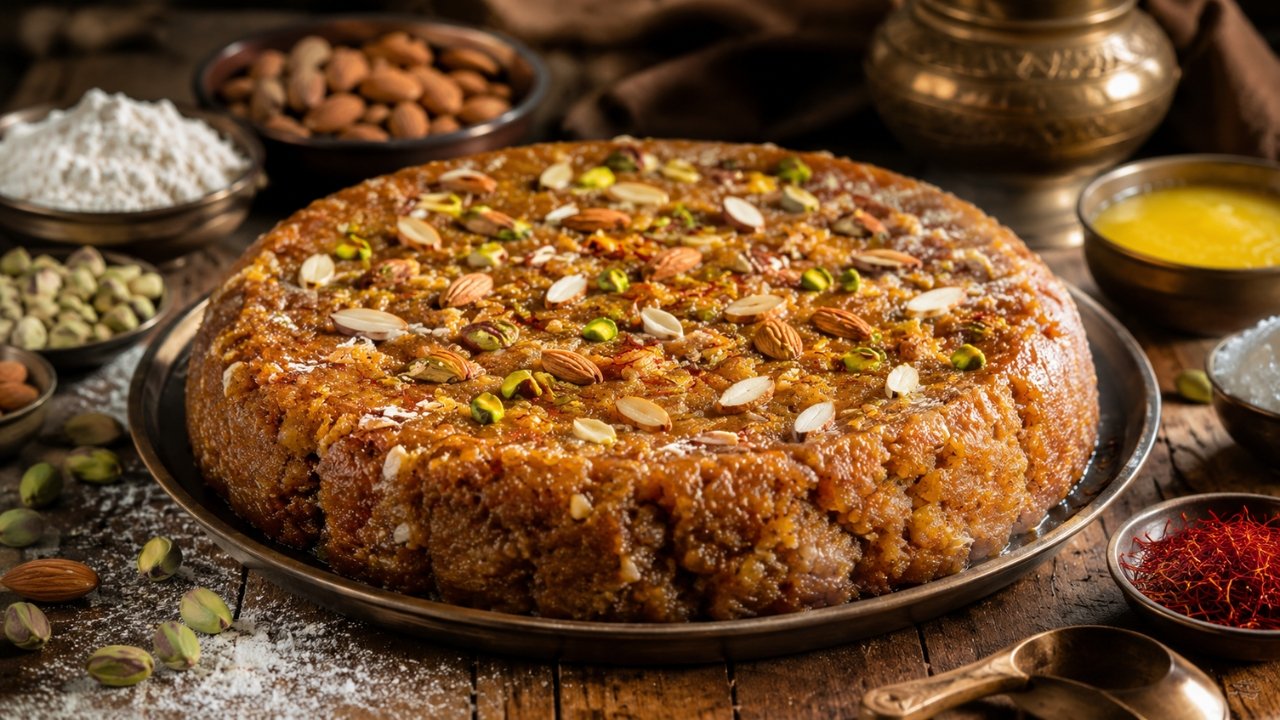
Imam-ul-Haq Favorite Sohan Halwa With Rich Sweet Taste is the kind of dessert that feels deeply traditional, yet still manages to sound luxurious on the first bite. This classic South Asian sweet is known for its dense, glossy texture, fragrant cardamom aroma, and the satisfying bite of nuts held inside a rich caramelized base. It is a halwa that asks for patience, but rewards that patience with a finish that is deeply comforting, celebratory, and memorable.
Unlike soft milk-based halwas, sohan halwa has a more distinctive character. It is chewy in the best possible way, slightly crisp around the edges when sliced, and generously layered with almonds, pistachios, and sometimes cashews or melon seeds. The flavor comes from a careful balance of sugar syrup, milk, ghee, flour, and often a touch of saffron or cardamom, which lifts the sweetness and gives the sweet a polished finish. When made well, it feels rich without becoming flat or heavy, and that is what makes it so beloved at festivals, family gatherings, and special occasions.
This version is designed to capture the full depth of that classic taste while keeping the method approachable for a home kitchen. The goal is a halwa that sets beautifully, slices neatly, and carries a warm, buttery sweetness that lingers just long enough to make people ask for another piece. If you enjoy traditional desserts that feel festive and deeply satisfying, this sohan halwa is a beautiful one to master.
Recipe Information
This recipe creates a rich, nut-studded sohan halwa with a classic sweet profile, a firm yet tender bite, and a glossy finish. It works well as a tea-time sweet, a festive dessert, or a gift-worthy treat for guests and family.
- Preparation Time: 25 minutes
- Cooking Time: 1 hour 20 minutes
- Total Time: 1 hour 45 minutes
- Servings: 8
- Difficulty Level: Medium
- Flavor Profile: Sweet, buttery, nutty, aromatic
Ingredients
The ingredients below are chosen to create a balanced texture and a deep, traditional flavor. For the best result, use fresh nuts, good-quality ghee, and a heavy-bottomed pan, because sohan halwa benefits from steady heat and even cooking.
- 1 cup all-purpose flour
- 1/2 cup cornstarch
- 1/2 cup semolina
- 1 1/2 cups sugar
- 4 cups water
- 1 cup full-fat milk
- 1 cup ghee
- 1/2 cup sliced almonds
- 1/2 cup chopped pistachios
- 1/4 cup chopped cashews
- 2 tablespoons melon seeds or poppy seeds, optional
- 1 teaspoon green cardamom powder
- 1/4 teaspoon saffron threads, soaked in 2 tablespoons warm milk, optional
- 1 teaspoon rose water, optional
- 1 tablespoon corn flour mixed with 3 tablespoons water, for a smoother finish if needed
- 2 tablespoons extra ghee for greasing the tray
Each ingredient plays a specific role. The flour, cornstarch, and semolina contribute body, structure, and that signature halwa bite. The sugar syrup gives shine and sweetness, while milk softens the edge of the sweetness and adds creaminess. Ghee is essential because it carries the aroma, supports the texture, and gives the final sweet its luxurious mouthfeel. Nuts are more than a garnish here; they add crunch, depth, and a festive look that makes the halwa feel complete.
Preparation
Before you begin, prepare a tray or shallow dish by greasing it lightly with ghee. This is important because sohan halwa starts to set quickly once it reaches the right consistency, and you will want to transfer it smoothly when the mixture is ready. Also keep the nuts measured and nearby, because the final stage moves fast.
Start by combining the flour, cornstarch, and semolina in a bowl. Mix them well so the dry ingredients are evenly distributed. In a separate heavy-bottomed pan, add the sugar and water. Bring this mixture to a boil over medium heat, stirring until the sugar dissolves completely. Once the syrup begins to thicken slightly, add the milk. The milk should be poured in slowly so the mixture stays smooth. Let it simmer gently while you continue with the dry base.
In another large pan, heat the ghee over low to medium heat. Add the dry flour mixture gradually and keep stirring continuously. The goal is to toast the flour mixture lightly until it smells nutty and turns a pale golden shade, but not so dark that it tastes bitter. This stage is essential because it builds the deep roasted flavor that makes sohan halwa satisfying rather than merely sweet. Be patient here and keep the movement steady.
Once the flour mixture is ready, slowly pour in the warm sugar-milk syrup in a thin stream while stirring constantly. The mixture may bubble strongly, so take care and add it gradually. Keep stirring to avoid lumps. At first, the halwa will look loose, but as the moisture cooks off, it will begin to thicken and pull together. This is when the texture starts to transform from a flowing mixture into a dense, glossy mass.
Add the cardamom powder, saffron milk, and rose water if using. These flavorings lift the sweetness and give the dessert its aromatic identity. Stir in the chopped almonds, pistachios, and cashews, reserving a small amount for the top. If you like a more textured halwa, you can add melon seeds at this point as well. Continue cooking and stirring until the halwa leaves the sides of the pan cleanly and starts to gather into a single mass.
If the mixture seems too soft or takes longer than expected to thicken, add the corn flour slurry slowly and cook for a few more minutes. This is not always necessary, but it can help if the base feels slightly loose. The ideal consistency should be thick, shiny, and able to hold its shape when pressed into a tray. It should not be runny, and it should not be dry enough to crumble immediately.
Once the halwa is ready, transfer it quickly into the greased tray. Press it down gently with the back of a spoon or spatula so it levels evenly. Sprinkle the reserved nuts on top and press them lightly into the surface. Let it cool at room temperature for several hours until fully set. For cleaner slices, you can chill it briefly after it cools. Once firm, cut it into diamonds, squares, or rectangles, depending on your preferred presentation.
Serve the halwa at room temperature for the best texture. It should have a pleasant chew, a glossy surface, and a rich buttery sweetness that melts gradually on the tongue. When made carefully, each piece will hold its form while still tasting soft and indulgent.
Tips
Sohan halwa depends on detail more than complexity, so a few small habits can make a major difference. Always use a heavy-bottomed pan, because thin pans create hot spots that can burn the flour base before it develops flavor. Stir steadily and do not rush the roasting stage; if the flour tastes undercooked, the final halwa will feel flat and pasty rather than deep and fragrant.
- Warm the syrup before combining it with the flour mixture so the halwa blends more evenly.
- Add the syrup gradually to reduce lumps and control the texture.
- Keep the heat moderate; high heat can scorch the halwa and make the sugar taste harsh.
- Use fresh cardamom for a brighter fragrance and a cleaner finish.
- Do not skip the resting time, because the halwa needs time to set properly before slicing.
- If you prefer a softer bite, reduce the cooking time slightly, but keep enough heat to let the mixture bind.
- For a more polished look, line the tray with lightly oiled parchment before pouring in the halwa.
Another helpful tip is to taste the base near the end of cooking. The sweetness should feel rich and rounded, not aggressively sharp. If you want a more balanced profile, a small pinch of salt can be added to deepen the flavor without making the dessert taste salty. This tiny adjustment often makes the sweetness feel more refined.
Also remember that sohan halwa continues to firm up as it cools. Many home cooks worry that it is still a little soft in the pan, but that is often exactly what you want. If you cook it until it feels completely hard on the stove, it may become too dense after setting. The right moment to stop is when it is thick, shiny, and cohesive, with the ghee clearly separating at the edges.
Variations
One of the pleasures of sohan halwa is that it can be adapted while still remaining true to its character. Small changes in nuts, aroma, or richness can shift the final result in useful ways, especially if you want to tailor the dessert for family preferences or festive occasions.
- For a richer version, increase the ghee slightly and add more pistachios on top for a stronger nutty finish.
- For a lighter aroma, skip the rose water and let cardamom remain the primary fragrance.
- For a more luxurious festive version, add a few strands of saffron and a little extra milk for a softer, creamier flavor.
- For extra crunch, increase the amount of chopped cashews and almonds.
- For a more traditional appearance, shape the halwa in a shallow tray and cut it into diamond pieces after it sets.
- For a slightly different taste profile, add a spoonful of kewra water instead of rose water.
- For a more rustic texture, keep some of the nuts coarsely chopped rather than finely sliced.
You can also turn the same mixture into smaller gift pieces by pouring it into mini molds or lining a box with parchment and cutting neat bars after setting. This makes the dessert especially appealing for holiday sharing, family visits, or special gatherings where presentation matters as much as taste.
If you want to emphasize the richness even more, serve the halwa with a cup of strong tea or unsweetened coffee. The contrast between the sweet, buttery dessert and a slightly bitter drink creates a more balanced experience. That is one reason this halwa feels so satisfying after dinner or during an afternoon tea spread.
Conclusion
Imam-ul-Haq Favorite Sohan Halwa With Rich Sweet Taste is the kind of dessert that transforms simple pantry ingredients into something deeply festive and memorable. Its beauty lies in its layered texture, its glossy finish, and the way it carries sweetness with confidence rather than excess. Every step, from roasting the flour to folding in the nuts and letting the halwa set, contributes to the final charm of the sweet.
What makes this dessert special is not just its richness, but the care it invites. It rewards slow cooking, patient stirring, and attention to texture. Once sliced, it offers a classic balance of chewiness, nuttiness, and aromatic warmth that feels both traditional and elegant. Whether you serve it after a celebratory meal, present it as a homemade gift, or simply enjoy a small square with tea, it delivers that unmistakable sense of indulgence that defines the best South Asian sweets.
With the right technique, you can create sohan halwa that looks polished, tastes luxurious, and keeps beautifully for sharing. It is a dessert that carries heritage in every bite, and when made with care, it becomes one of those recipes people remember long after the tray has been emptied.