
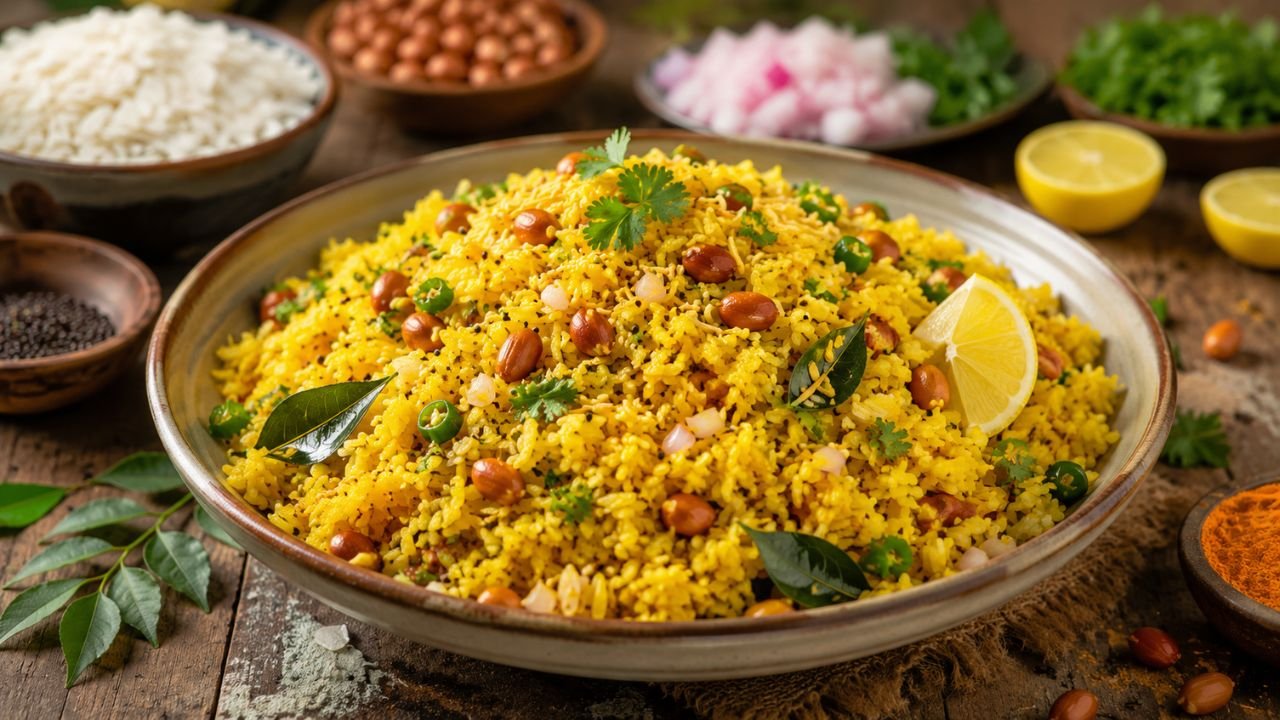
Poha is one of those rare breakfasts that manages to feel both comforting and light at the same time. It is quick enough for busy mornings, gentle enough for a simple home-style meal, and flavorful enough to keep you coming back for more. When made well, poha turns into a soft, aromatic dish with just the right balance of texture: tender flattened rice, crunchy peanuts, sweet onion, the freshness of curry leaves, and a bright finish of lemon. This poha recipe in 5 easy steps is designed to help you make a bowl that tastes fresh, looks inviting, and works beautifully as a light and delicious breakfast.
The beauty of poha lies in its simplicity. You do not need complicated techniques or hard-to-find ingredients. You only need a few pantry staples, a little attention while rinsing the rice flakes, and the right order of cooking. Many people think poha is a basic dish, but the difference between average poha and excellent poha is in the details: how softly the poha is rinsed, how the tempering is layered, how the onions are cooked, and when the final seasoning is added. Follow these steps carefully, and you will get poha that is fluffy, fragrant, and satisfying without feeling heavy.
This version is ideal for mornings when you want something wholesome but not greasy, filling but not dense, and flavorful without spending too much time in the kitchen. It can be served on its own, paired with tea, or accompanied by a simple chutney or curd. It is also flexible, which means you can adjust the spice level, add vegetables, or keep it minimal depending on your mood. If you are looking for a breakfast that is easy to prepare and easy to love, this poha recipe is a dependable choice.
Recipe Information
Poha, also known as flattened rice, is a traditional Indian breakfast dish prepared by lightly cooking rinsed poha with onions, spices, curry leaves, peanuts, turmeric, and lemon juice. It is popular because it is quick, economical, and easy to digest. The dish works especially well for mornings when you want comfort and freshness in the same bowl. This recipe serves about 3 people and can be adjusted for a larger family breakfast or a smaller portion for one or two meals.
Preparation Time: 10 minutes
Cooking Time: 15 minutes
Total Time: 25 minutes
Servings: 3
Meal Type: Breakfast
Difficulty: Easy
Taste Profile: Light, savory, mildly spiced, and fresh
Poha is especially loved because it gives a soft, airy texture without losing flavor. The dish is naturally vegetarian and can easily be made vegan if you use oil instead of ghee. It also suits different household preferences because you can keep it mild for children or more vibrant with chilies and extra lemon for adults. When served freshly cooked, poha has the kind of warmth that feels soothing but never too rich.
Ingredients
For the best results, use medium-thick poha, because it softens quickly without becoming mushy. Very thin poha can break down too much, while very thick poha may remain underhydrated. Fresh curry leaves, good-quality peanuts, and a bright squeeze of lemon make a big difference in the final flavor. The ingredients below create a balanced, classic poha with a pleasant texture and clean taste.
- 2 cups poha (flattened rice), medium thickness
- 2 tablespoons oil
- 1 teaspoon mustard seeds
- 1 teaspoon cumin seeds
- 8 to 10 curry leaves
- 2 tablespoons peanuts
- 1 medium onion, finely chopped
- 1 green chili, finely chopped
- 1 small potato, peeled and cut into small cubes
- 1/4 teaspoon turmeric powder
- Salt to taste
- 1 to 2 teaspoons sugar, optional but traditional in many homes
- 1 tablespoon lemon juice, or more to taste
- 2 tablespoons chopped coriander leaves
- 2 tablespoons grated coconut, optional for garnish
If you enjoy a slightly richer poha, you can add a few roasted cashews along with the peanuts. If you prefer a more colorful breakfast, you can include green peas, small carrot cubes, or finely chopped capsicum. However, the classic version remains popular because it feels balanced and light. The goal is not to overload the dish, but to build layers of flavor that remain clean and fresh.
Preparation
The preparation process for poha is all about timing and gentle handling. The flattened rice must be rinsed just enough to soften it, but not so much that it becomes sticky or disintegrates. Once that is done, the tempering should be built in a way that allows the spices to bloom and the peanuts to become crisp. Then the onions and potatoes are cooked until they are tender and lightly golden. Finally, the poha is folded in carefully so the grains stay separate and soft.
Step 1: Rinse the poha properly
Place the poha in a colander and rinse it gently under running water for a few seconds. Do not soak it for too long. The aim is to soften the flakes without making them soggy. After rinsing, let it sit for 5 to 7 minutes. Add a pinch of salt and gently fluff it with your fingers. The poha should feel soft between your fingers but should still retain a little structure. This step is one of the most important parts of the recipe because over-washed poha can turn pasty, while under-rinsed poha can remain dry in the final dish.
Step 2: Prepare the tempering
Heat oil in a pan over medium flame. Add mustard seeds and let them begin to crackle. Then add cumin seeds, curry leaves, and peanuts. Stir the peanuts often so they roast evenly and do not burn. This is where the first major layer of flavor develops. The curry leaves should become fragrant, and the peanuts should turn lightly golden and crunchy. If you prefer a deeper flavor, allow the peanuts to toast a little longer, but keep an eye on them because they can darken quickly.
Step 3: Cook the onions and potatoes
Add the chopped onion and green chili to the pan. Sauté until the onion becomes soft and lightly translucent. Then add the potato cubes, turmeric powder, and a little salt. Stir well so the turmeric coats the potatoes evenly. Cover the pan and cook the potatoes until they are tender. You may sprinkle a little water if needed to help them cook without sticking. The potato adds body to the poha and makes the dish feel more satisfying, especially when you want breakfast to keep you full longer.
Step 4: Combine the poha
Once the potatoes are cooked, lower the flame and gently add the rinsed poha. Use a soft folding motion so the poha mixes without breaking. Sprinkle in sugar if using, then adjust salt carefully. Add lemon juice and stir again. Taste and check the balance. The dish should have a mild sweetness, a gentle tang, and enough salt to make the flavors pop. The turmeric gives the poha a warm golden color, while the lemon keeps the final flavor bright and lively.
Step 5: Finish and serve
Turn off the heat and add chopped coriander leaves. If you like, top the poha with grated coconut for extra texture and a mild fresh note. Serve it hot, ideally right after cooking, when the aroma is strongest and the texture is at its best. Poha tastes wonderful on its own, but it can also be served with a cup of masala chai, plain curd, or a small pickle on the side. The dish is meant to feel easy, comforting, and fresh, so keep the presentation simple and inviting.
A good poha should not feel oily, heavy, or overly spiced. Each spoonful should carry a little crunch from the peanuts, a soft bite from the onion, a warm earthiness from turmeric, and a clean citrus finish. When all of these elements work together, the dish feels complete even though it comes together very quickly. That is the charm of poha: it looks humble, but it delivers a surprisingly satisfying breakfast experience.
Tips
To make poha turn out well every time, start with the right texture. The most common mistake is over-rinsing, which can make the flakes too soft. A few quick rinses are usually enough. After draining, let the poha rest for a short time so excess water disappears. If the poha still looks a little dry, sprinkle a few drops of water rather than adding too much at once.
Another useful tip is to roast the peanuts properly. They should be crisp enough to add contrast but not so dark that they taste bitter. If you like extra crunch, you can roast them separately and add them at the end. Fresh curry leaves also matter a lot. Their aroma is a signature part of poha, and they should be added to hot oil so they release their flavor fully.
Do not rush the onions. Slightly softened onions bring sweetness and depth, while undercooked onions can taste sharp. The potatoes should be diced small so they cook faster and blend well with the poha. If you are short on time, you can parboil the potatoes beforehand, but the recipe works fine with direct pan-cooking as long as the cubes are small.
Balance is the final secret. A small amount of sugar can round out the flavors without making the dish sweet. Lemon juice should be added near the end so it tastes fresh rather than dull. Coriander should also be added after turning off the heat to preserve its color and aroma. If you serve poha immediately, the textures stay at their best and the flavors feel brighter.
Variations
One of the best things about poha is that it welcomes variation without losing its identity. The basic version is already delicious, but you can tailor it to your taste, your pantry, or the season. This makes poha a versatile breakfast that can stay interesting week after week.
Vegetable poha: Add finely chopped carrots, green peas, or capsicum along with the potatoes. This version is colorful, slightly sweeter, and more filling. It is a great way to use leftover vegetables while keeping the dish light.
Maharashtrian-style poha: Add a little more sugar and finish with extra lemon and fresh coriander. Some households also top the poha with sev or chopped onion for added texture. This version is especially known for its balance of sweet, tangy, and savory notes.
Spicy poha: Increase the number of green chilies or add a little red chili powder. This makes the breakfast more lively and bold. It pairs especially well with tea on cooler mornings.
Protein-rich poha: Add roasted chana, paneer cubes, or a handful of sprouts for more substance. This is helpful when you want a breakfast that feels lighter than a full meal but still keeps you energized for longer.
South Indian-inspired poha: Add grated coconut, a few peanuts, and a touch of grated ginger. You can also use a little more curry leaves and finish with a squeeze of lime. This creates a fragrant and refreshing version with a slightly different aroma.
Peanut-heavy poha: For peanut lovers, increase the quantity of peanuts and roast half of them until extra crisp. The added crunch gives the dish a more snack-like appeal and makes every bite more textured.
No-potato poha: If you prefer an even lighter breakfast, skip the potatoes entirely and make the dish with onions, peanuts, and spices only. This version is quick, lean, and excellent for busy mornings when you want something simple but satisfying.
Each variation keeps the spirit of poha intact while giving you room to customize. That is why poha remains a favorite in so many kitchens: it is easy to prepare, easy to adapt, and always comforting in its own way.
Conclusion
Poha is a simple yet memorable breakfast that comes together in minutes with the right technique. A gentle rinse, fragrant tempering, soft onions and potatoes, and a final touch of lemon and coriander create a dish that is light, comforting, and full of flavor. With its mix of curry leaves, crunchy peanuts, and tender flattened rice, poha is an easy, reliable recipe that feels both humble and satisfying, whether for a quick weekday meal or a relaxed weekend breakfast.